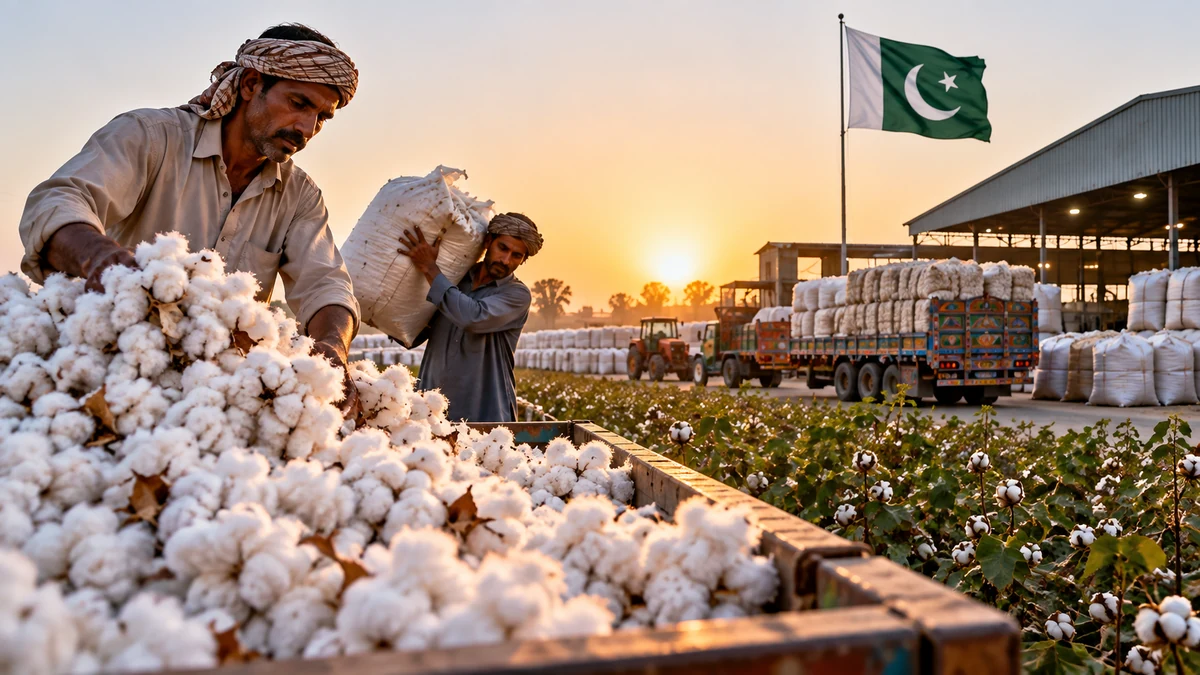
Pakistan Cotton Arrivals Rise 5.39% to 3.21 Million Bales as Crop Risks Grow
Pakistan’s cotton arrivals reached 3.208 million bales by September 30, up 5.39% year-on-year, while heat, pests and contamination remain risks to the crop.
Pakistan Report's most recent reporting, newest first.
Pakistan’s cotton arrivals reached 3.208 million bales by September 30, up 5.39% year-on-year, while heat, pests and contamination remain risks to the crop.

The US military says four people were killed in a strike on a vessel in the Caribbean, while legal experts and rights advocates have challenged the wider campaign.
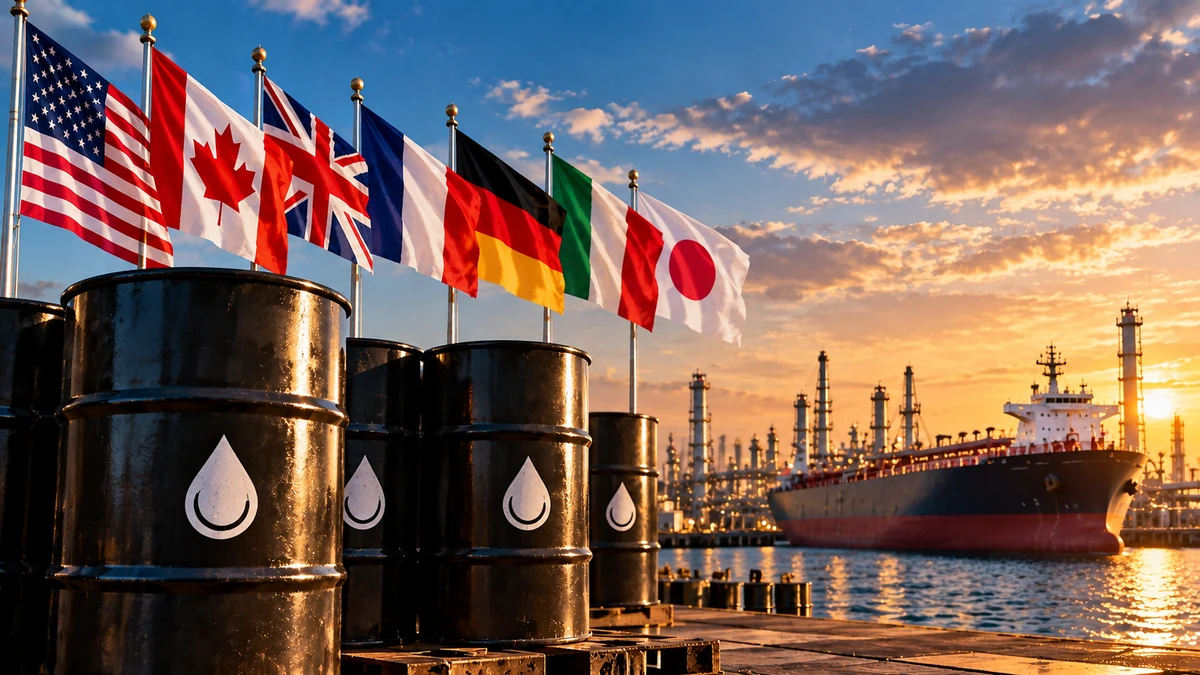
G7 countries are releasing 100 million barrels of crude and diesel from emergency reserves as governments respond to global energy supply risks.

Pakistan's KSE-100 index ended the week around 168,155, down 2,610 points or 1.5%, as investors weighed the IMF review, geopolitical tensions and elevated oil prices.
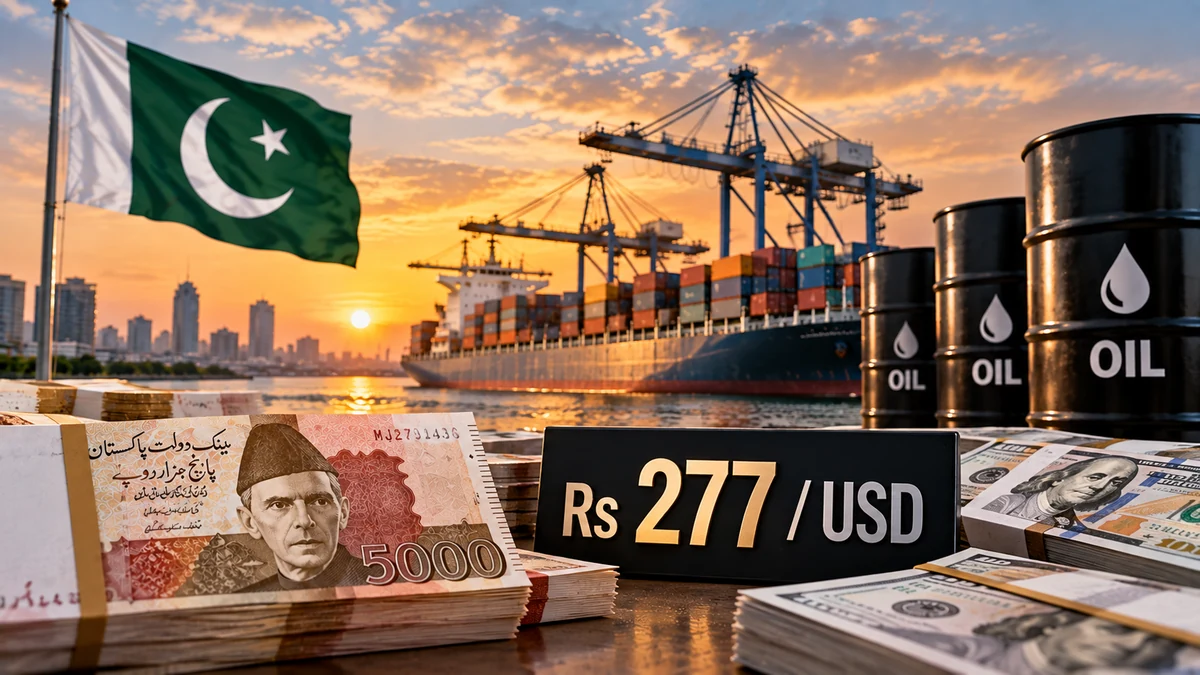
Pakistan's rupee has remained near Rs277 to the US dollar, supported by reserves and remittance inflows even as higher oil prices and import costs pose risks.

The World Bank's Independent Evaluation Group rated the outcome of the $93.1 million Sindh Solar Energy Project moderately unsatisfactory after utility-scale projects were not completed by closing.
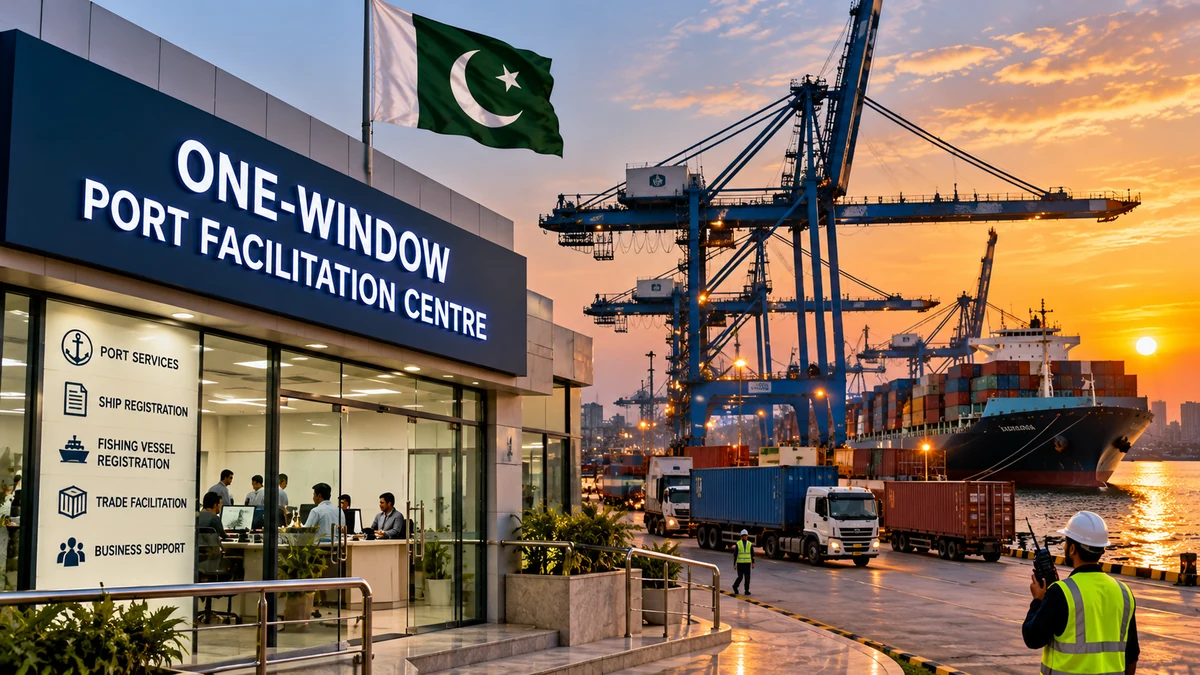
Pakistan's Maritime Affairs Ministry has ordered faster work on a proposed one-window facilitation centre in Karachi for businesses dealing with ports and maritime services.
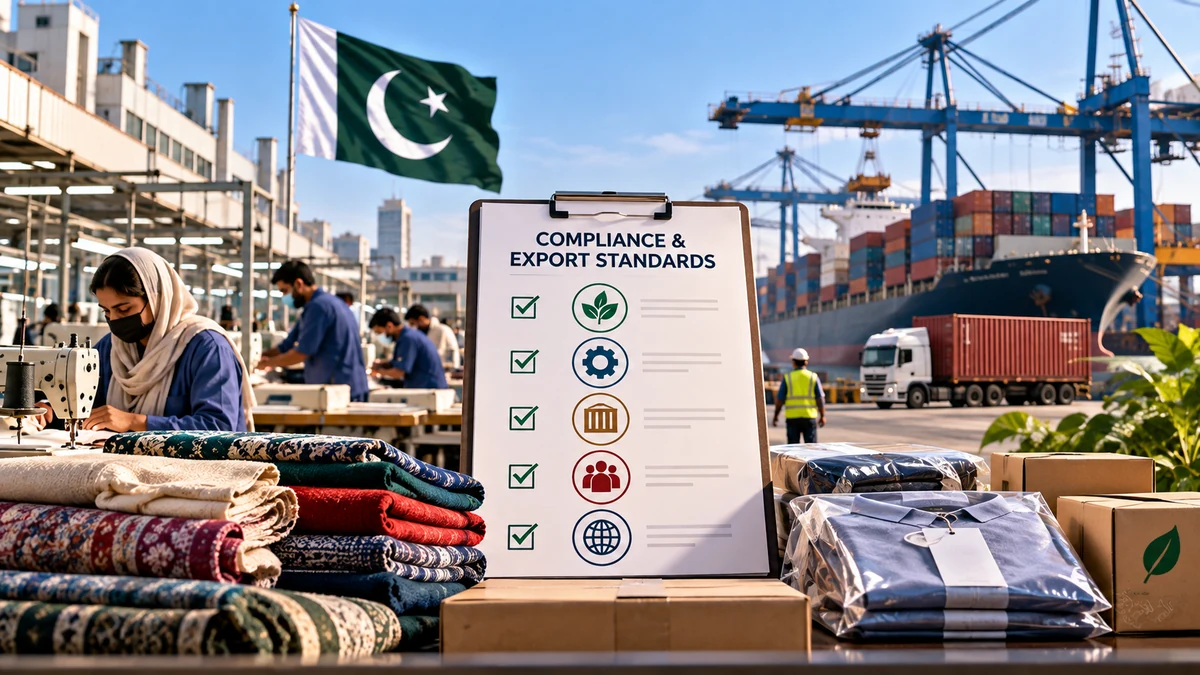
Pakistan is preparing to establish a national compliance authority as the government pushes exporters to meet sustainability, compliance and production standards required by international markets.
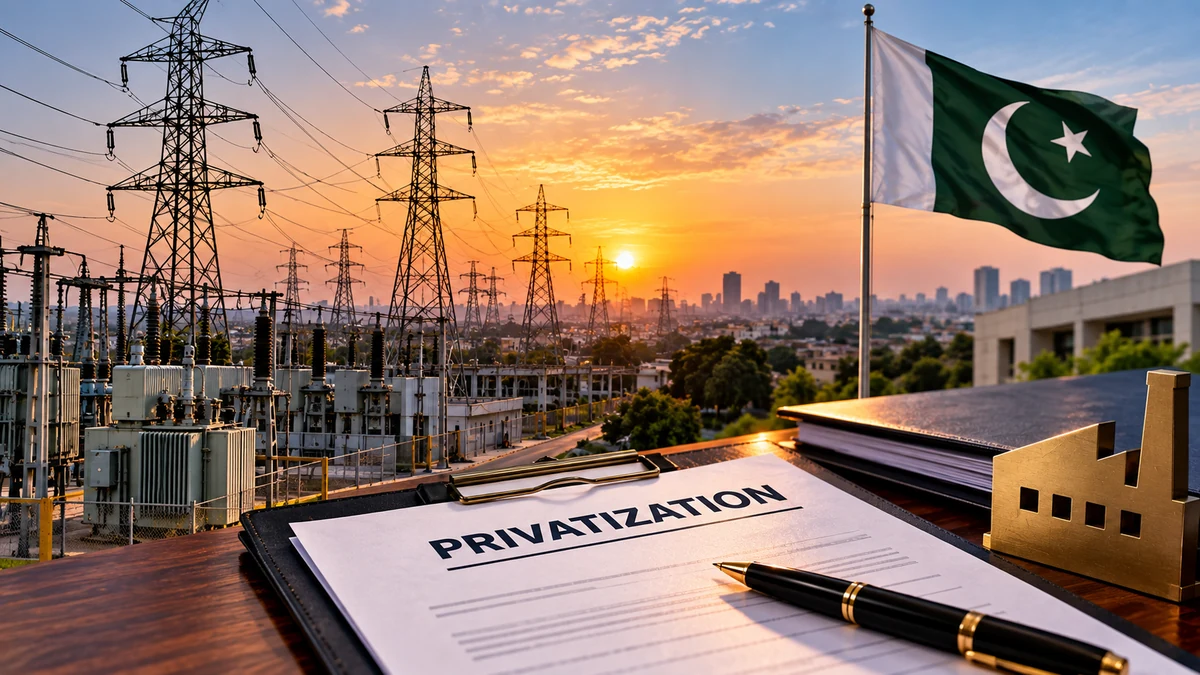
Pakistan has told the IMF it aims to privatise nine electricity distribution companies by December 2027, with the first three targeted for early 2027.
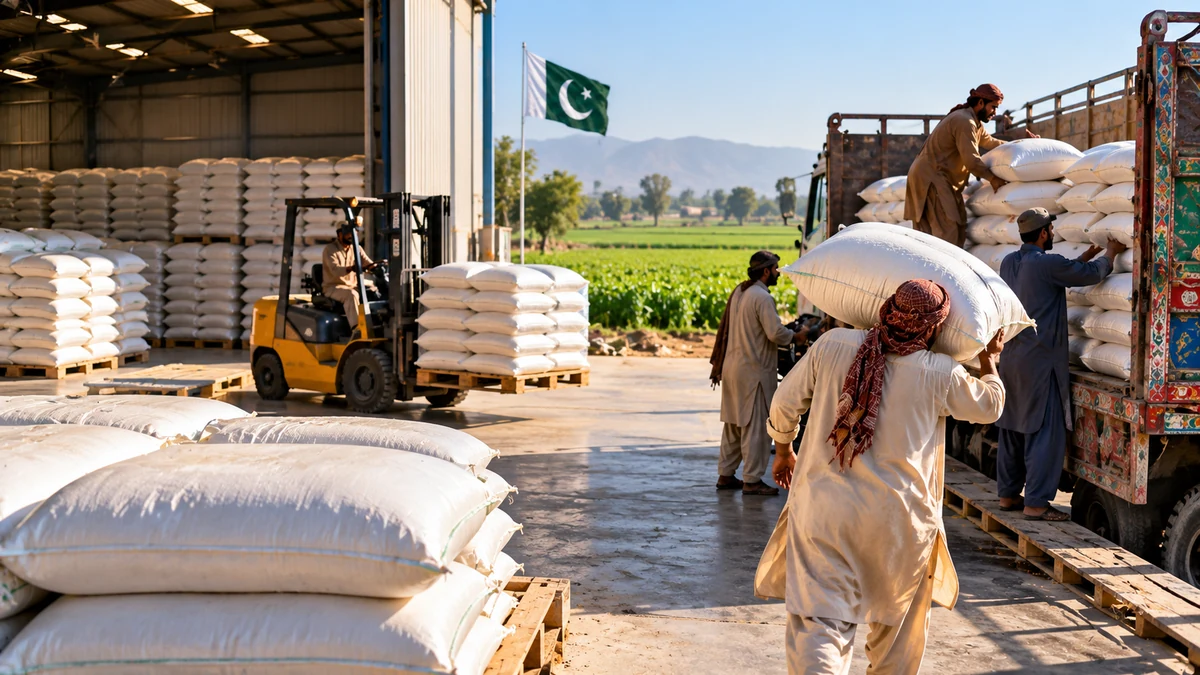
Pakistan's urea sales reached 611,000 tonnes in September, up 43% year-on-year, while industry inventory fell to a nine-month low of about 650,000 tonnes.
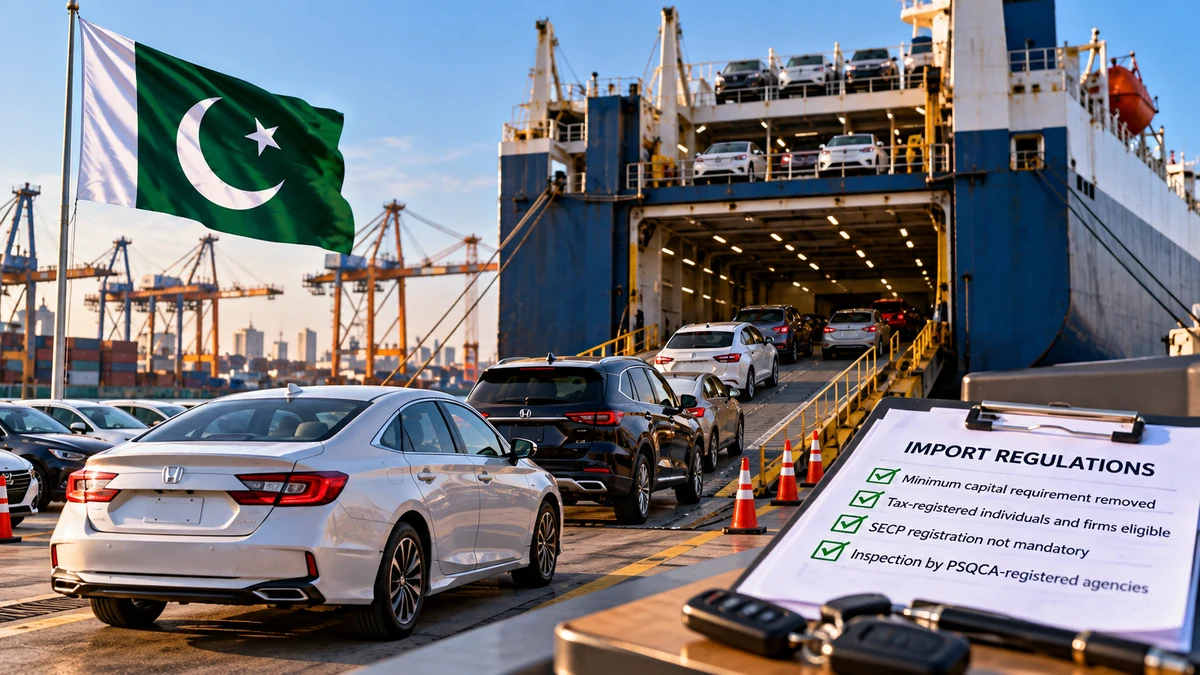
Pakistan has relaxed rules for commercial imports of used vehicles, removing a minimum-capital requirement and widening eligibility to tax-registered individuals and firms.
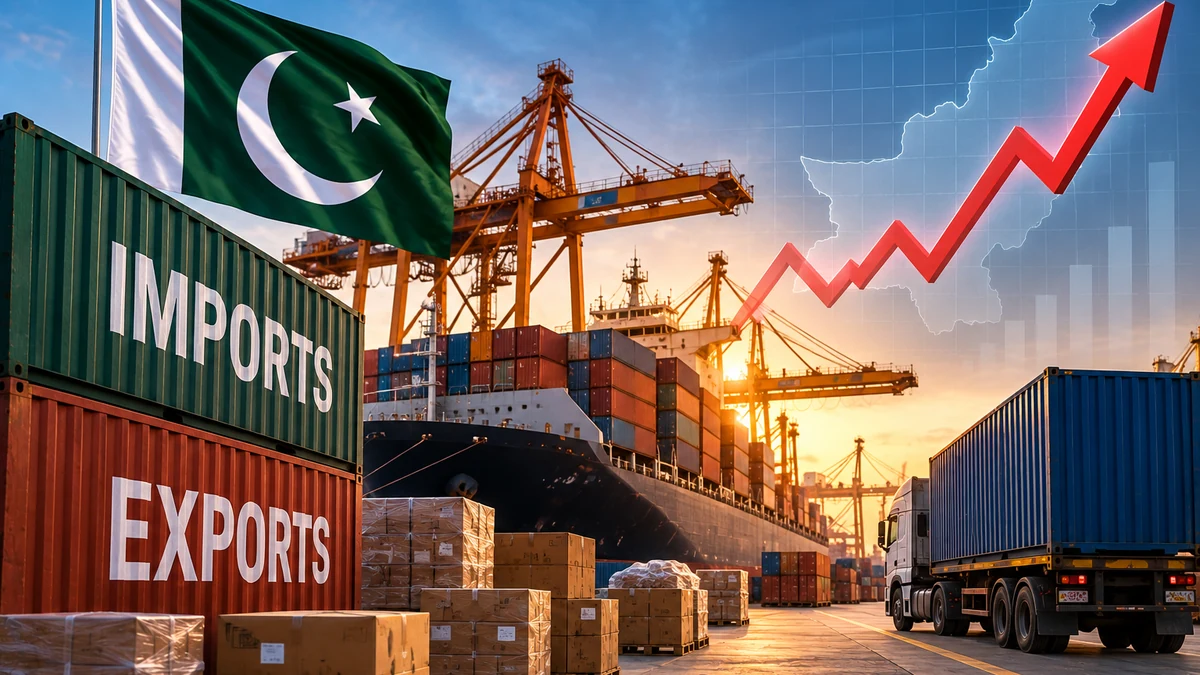
Pakistan’s merchandise trade deficit widened by more than 15% year-on-year to $10.79 billion in the first quarter of FY27 as imports grew faster than exports.
May we use Google Analytics cookies to understand which stories readers find useful? Analytics stays off unless you allow it. Your choice lasts 180 days and can be changed using Analytics preferences. Privacy Policy