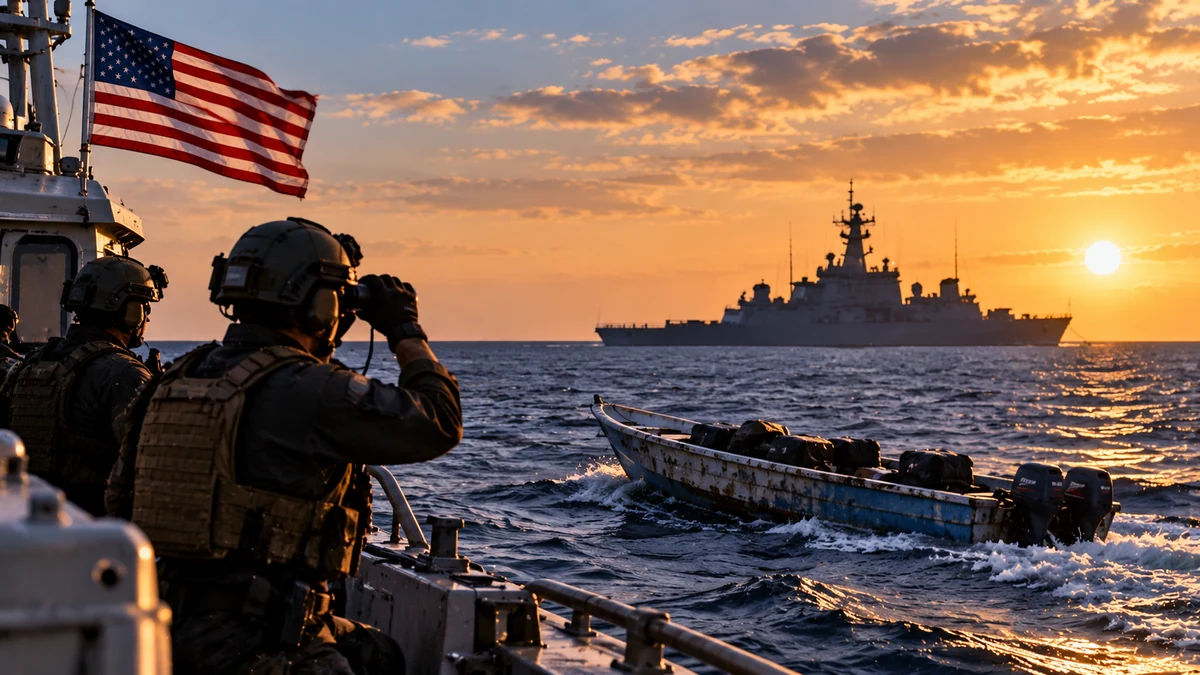
The United States military says four people were killed in a strike on a vessel in the Caribbean, the latest operation in a campaign Washington says targets drug-trafficking networks.
US Southern Command said the vessel was operating on a route associated with narcotics trafficking and described those killed as “narco-terrorists.”
Those descriptions are US military claims. Publicly available evidence establishing that the vessel was carrying drugs or proving the identities and affiliations of the people aboard has not been presented.
The strike is part of a wider series of US operations against vessels Washington alleges are connected to drug trafficking.
The campaign has generated legal and human-rights criticism. UN experts and rights advocates have questioned whether lethal military force is lawful in circumstances where suspects could potentially be intercepted, detained and prosecuted.
Critics have characterised some of the killings as extrajudicial. The US government has defended its operations as part of its effort to combat organisations it considers a threat to national security.
The competing positions make attribution particularly important. The US military’s account establishes what Washington says occurred and why it says the vessel was targeted; it does not independently establish the alleged criminal activity of those aboard.
Maritime drug interdiction has traditionally involved law-enforcement operations, including stopping vessels and seizing suspected narcotics. The use of military strikes raises different questions under domestic and international law.
Further assessment of the incident will depend on whether US authorities release additional evidence about the vessel, its cargo, the identities of those killed and the legal basis for the strike.
Until then, claims about drug trafficking or membership in designated groups should remain attributed to US authorities rather than presented as independently verified facts.