Pakistan Approves 557 Business Reforms, Estimates Rs460 Billion in Annual Savings
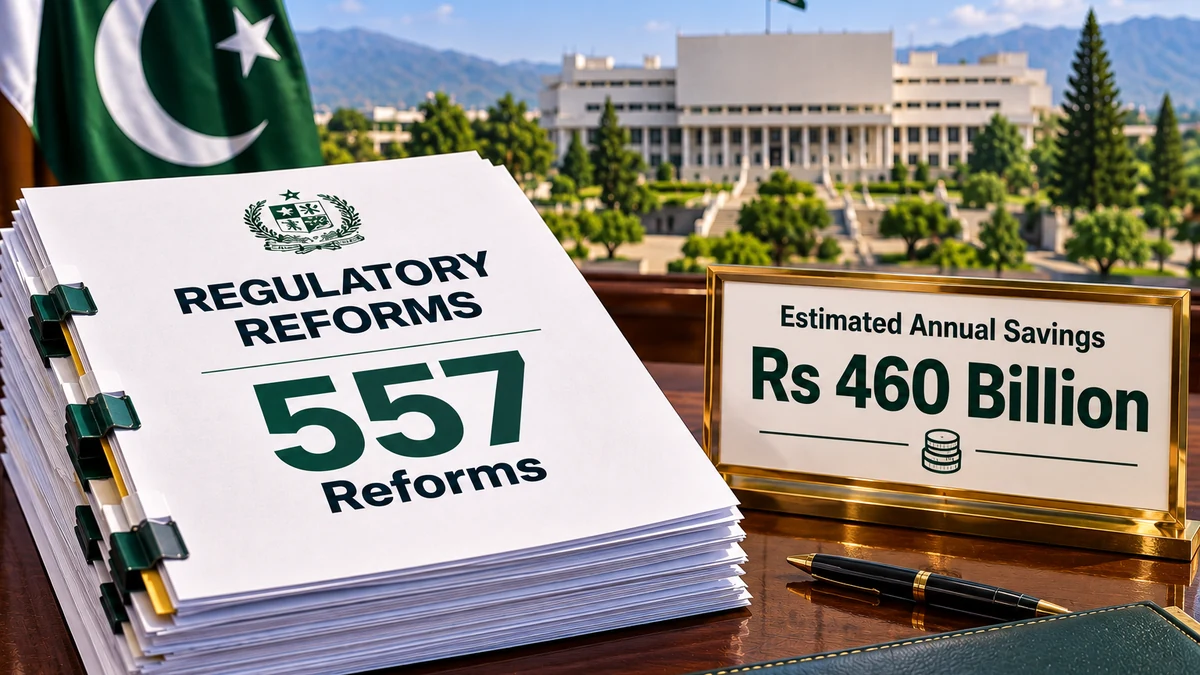
The Cabinet’s Regulatory Reforms Committee has approved 557 reforms across seven multi-sector areas, with the government estimating annual savings of Rs460 billion.
Latest economy and business reporting, together in one section.
The Cabinet’s Regulatory Reforms Committee has approved 557 reforms across seven multi-sector areas, with the government estimating annual savings of Rs460 billion.
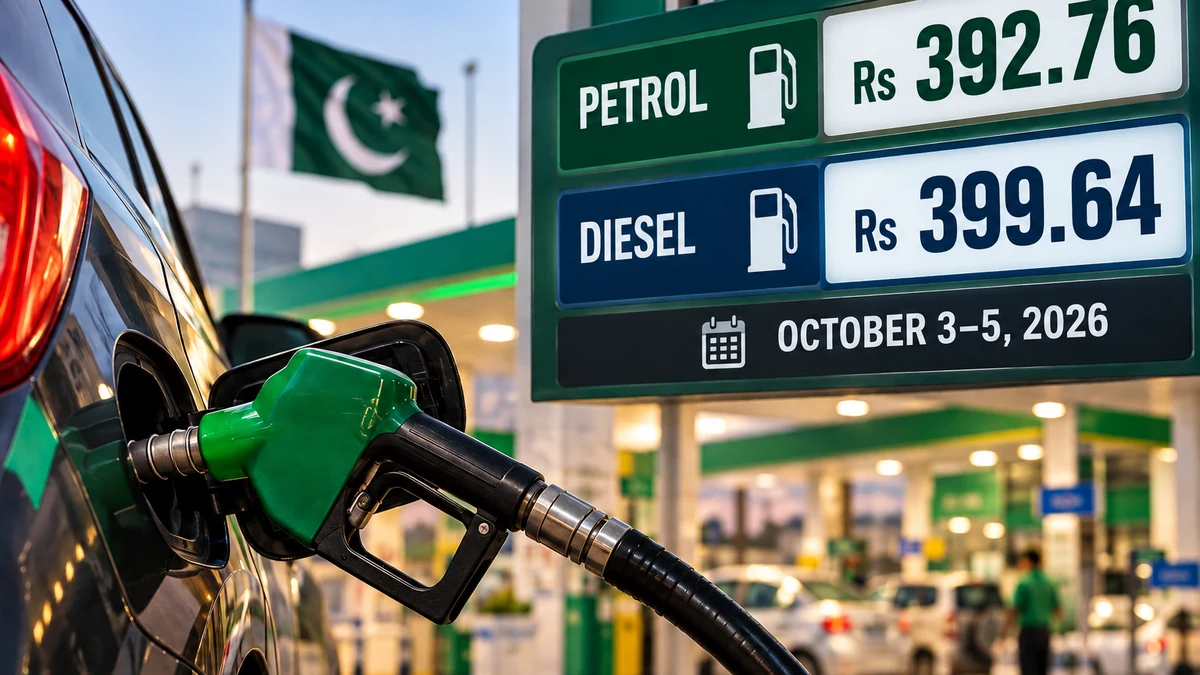
Pakistan’s petrol price rises by Rs2.10 to Rs392.76 per litre and high-speed diesel by Re0.30 to Rs399.64, with the revised rates applying from October 3 to 5.
Brent crude fell back below $100 a barrel on October 2 as markets weighed possible emergency diesel and crude stock releases after the previous day's sharp rise.
Pakistan's petroleum product sales fell 2% year-on-year in September as petrol volumes declined 5% and high-speed diesel sales dropped 11%.
The KSE-100 closed 481.36 points lower at 168,155.49 on October 2 as investors remained cautious amid Middle East tensions and pressure across major sectors.
A National Assembly standing committee has recommended a minimum wheat support price of Rs5,000 per 40kg or above and called for a uniform farmer subsidy mechanism.
TCP's tender to export 107,739 metric tonnes of imported white refined sugar received no bids after a $660-per-tonne reserve price was set above prevailing international market levels.
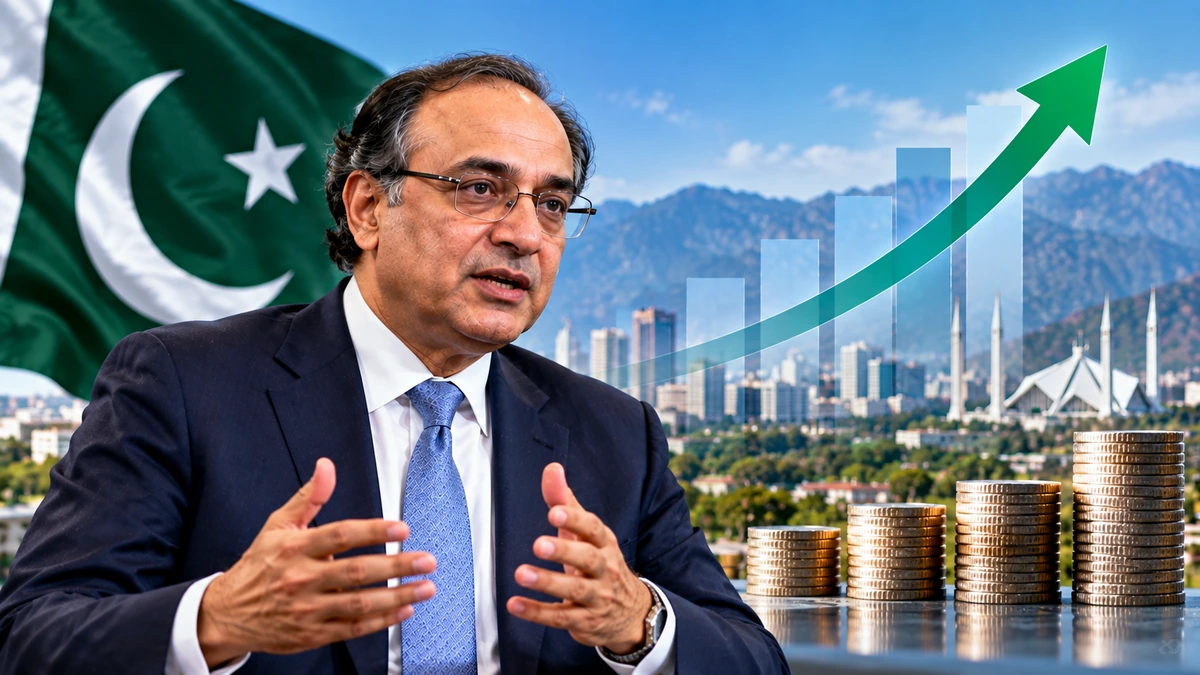
Finance Minister Muhammad Aurangzeb says Pakistan could reach a B+ sovereign credit rating by the end of FY27 or the first quarter of FY28 if macroeconomic stability and structural reforms continue.
Pakistan’s manufacturing sector remained in expansion in September, but growth slowed as the HBL Manufacturing PMI fell to 50.9 from 51.8 in August amid weaker domestic demand.
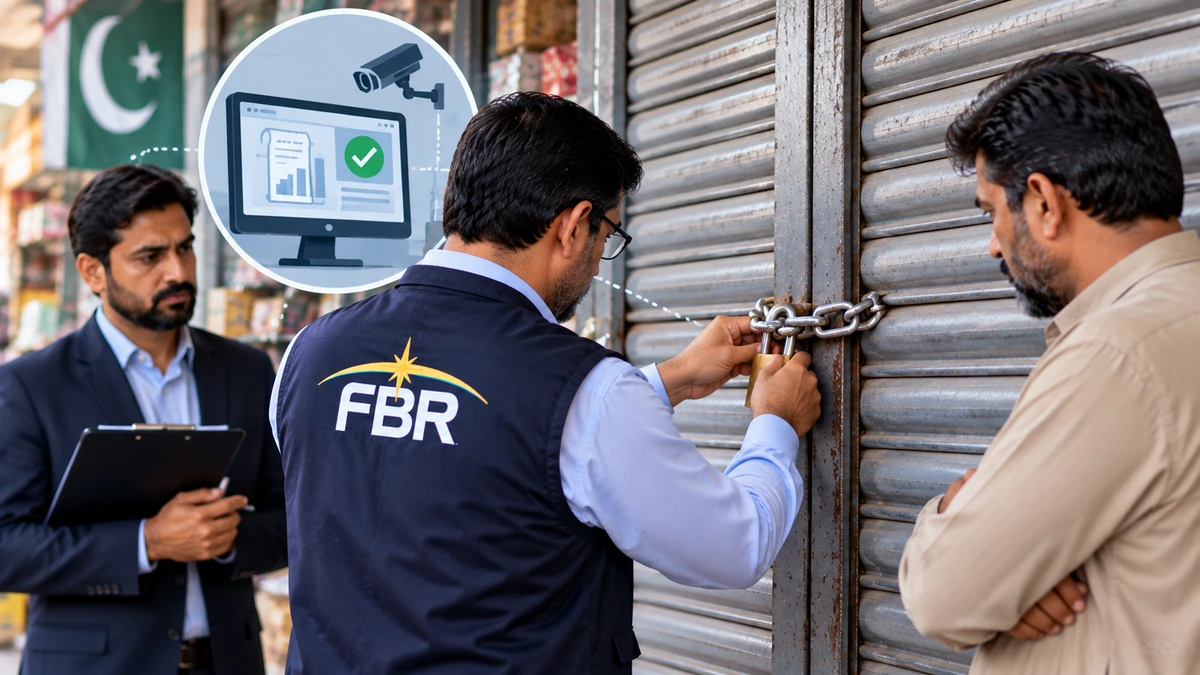
New FBR rules allow tax officials to seal premises that fail required integration with electronic production and sales monitoring systems, with non-compliant specified goods also exposed to seizure and confiscation.
New FBR rules route specified income tax audits, assessments and unexplained-income proceedings through the National Faceless Centre, limiting direct interaction between taxpayers and field officers.
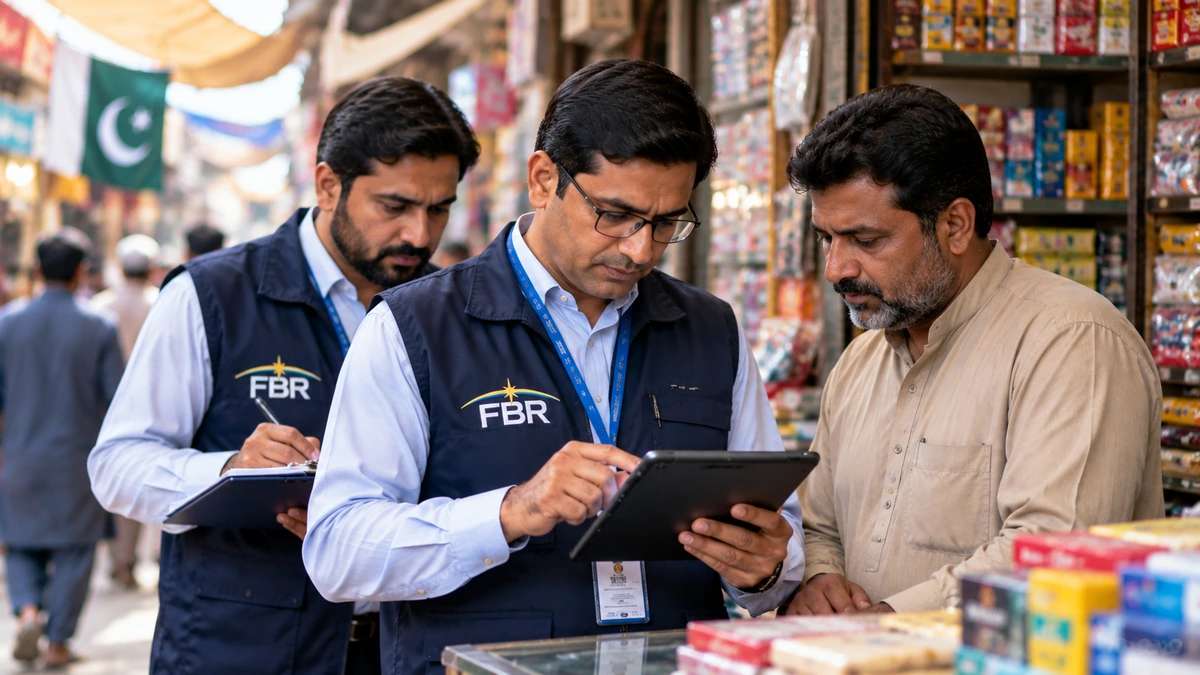
FBR officials will map markets and individual shops with traders’ representatives from October 2 as the government steps up implementation of its simplified tax scheme for small shopkeepers.
May we use Google Analytics cookies to understand which stories readers find useful? Analytics stays off unless you allow it. Your choice lasts 180 days and can be changed using Analytics preferences. Privacy Policy