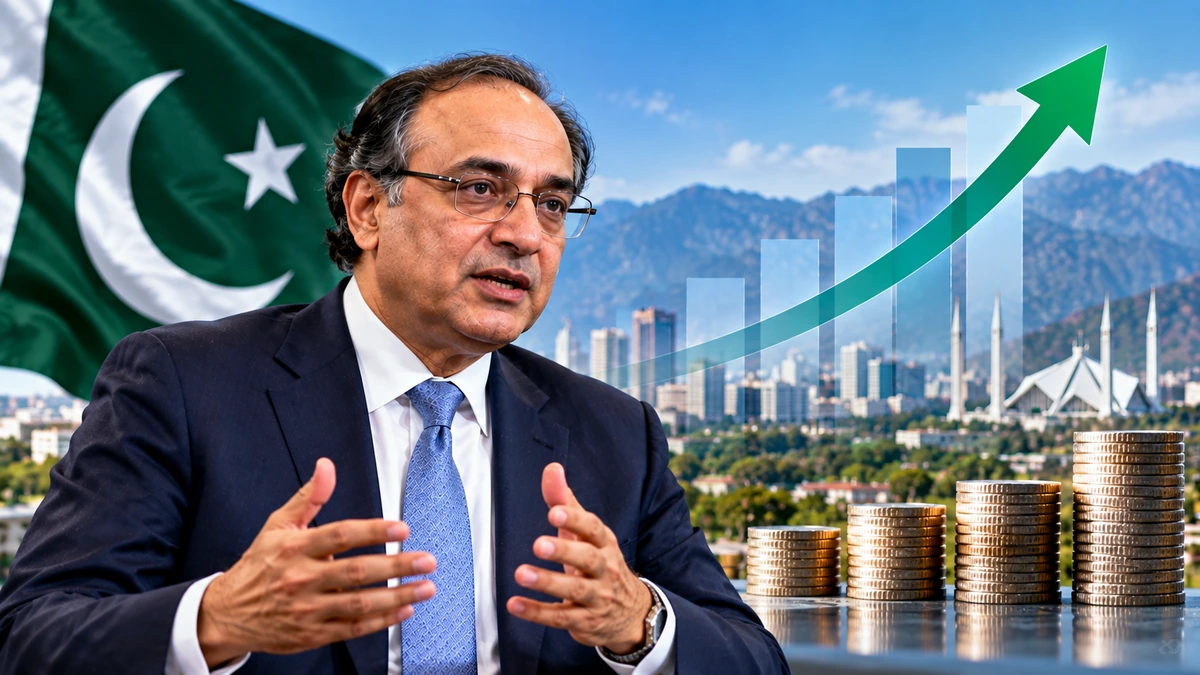
Pakistan could achieve a B+ sovereign credit rating by September 2027 if economic stability and structural reforms continue, Finance Minister Muhammad Aurangzeb has said.
Speaking at the Overseas Investors Chamber of Commerce and Industry in Karachi, Aurangzeb expressed confidence that Pakistan could receive a further rating improvement by the end of the 2026–27 financial year or during the following quarter.
His comments were an expectation, not an announcement of a new rating by an independent agency.
In July 2026, S&P Global Ratings upgraded Pakistan’s long-term sovereign rating from B- to B, with a stable outlook. Moody’s subsequently raised its rating from Caa1 to B3 in August, also assigning a stable outlook.
Credit ratings help investors assess a country’s ability to repay its debts. An improved rating can strengthen investor confidence and may reduce the cost of borrowing, although market conditions also affect interest rates.
Aurangzeb linked the prospect of another upgrade to stronger public finances, improved foreign exchange reserves and continued economic reforms.
The finance minister also said Pakistan’s longer-term ambition was to enter the BB rating category.
He discussed the country’s $7 billion International Monetary Fund programme and said it was too early to determine whether Pakistan would need another IMF arrangement after the current one.
The government expects the current account deficit to remain within its original target of zero to 1% of gross domestic product during FY27, according to the minister.
A future rating upgrade would depend on the agencies’ own assessments of Pakistan’s finances, external payments position and economic outlook.
The finance minister’s comments indicate the government’s confidence in further progress. Whether Pakistan reaches B+ by September 2027 will ultimately be decided by credit rating agencies, not the government.
For Pakistan, the cost of international borrowing matters because debt payments must be met alongside spending on public services and development. Better ratings can make it easier to attract investors, but they do not remove repayment obligations.