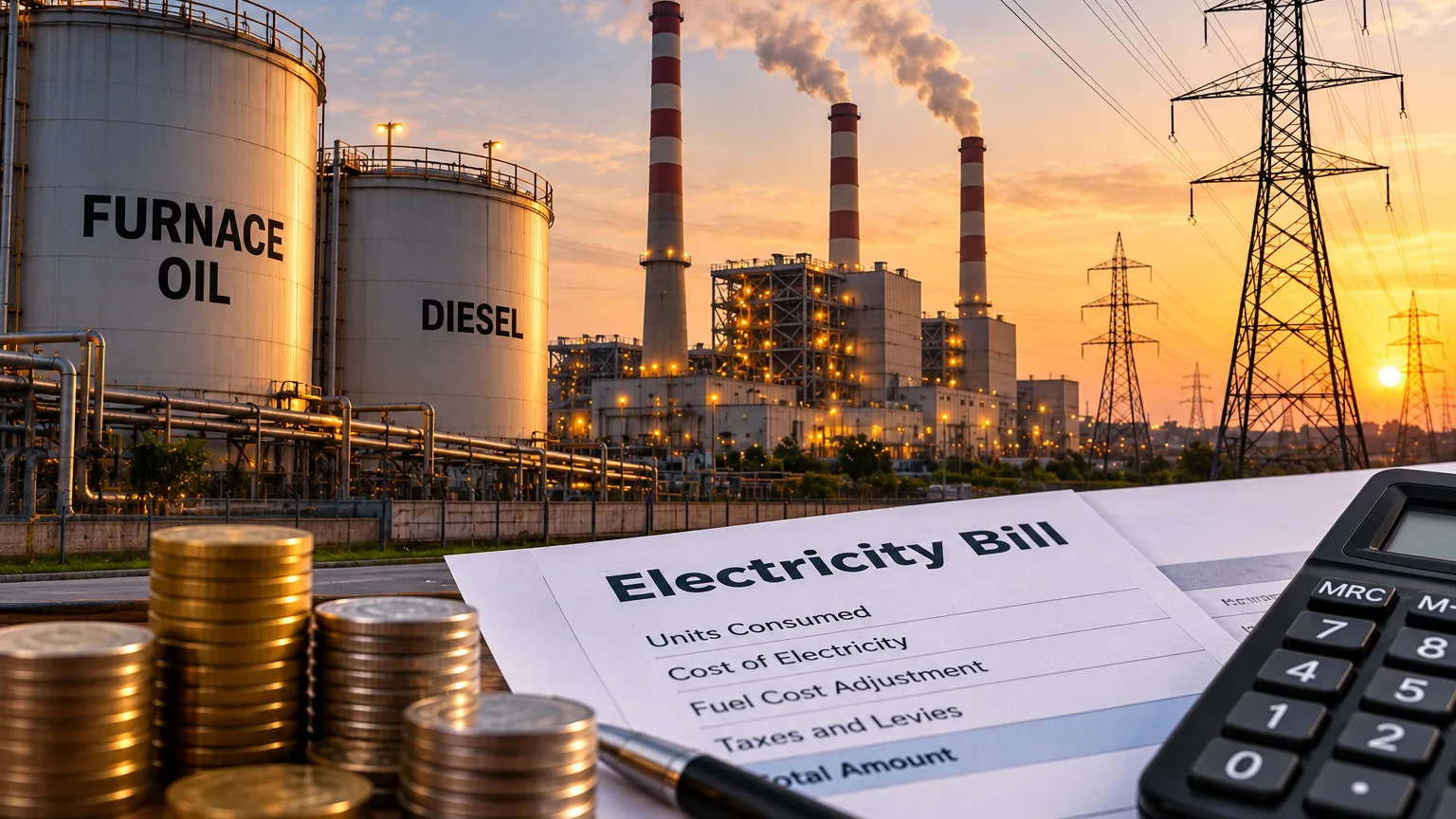
ISLAMABAD, October 30, 2026 — Industrial representatives and officials from Pakistan’s Power Division have called for a reduction or removal of petroleum levies on furnace oil and diesel used in electricity generation, arguing that the charges are adding significantly to power production costs.
The demand emerged during a public hearing held by the National Electric Power Regulatory Authority (Nepra) on October 29.
The hearing considered a request from the Central Power Purchasing Agency (CPPA) for an additional fuel cost adjustment of approximately Rs2.56 per unit for electricity consumed in September.
The proposed adjustment would allow power distribution companies to recover about Rs32.76 billion through subsequent electricity bills, subject to regulatory approval.
According to figures presented at the hearing, the actual fuel cost for September was approximately Rs10 per unit, compared with a reference rate of Rs7.46.
The CPPA representative said the proposed fuel cost adjustment would result in a net increase of approximately Rs1.45 per unit in consumers’ November electricity bills, subject to Nepra’s approval.
Participants questioned the accuracy and consistency of some electricity generation and fuel-cost data submitted for the hearing.
Concerns were also raised about the timing of LNG price information and its influence on previous fuel cost adjustments.
The discussion reflects a broader challenge for Pakistan’s industrial sector, where expensive electricity can increase production costs and weaken the competitiveness of locally manufactured goods.
Reducing levies on fuels used for power generation could lower costs for affected plants, but any change would also have implications for government revenue.
The proposed fuel cost adjustment and the call for levy reductions remain separate matters. The hearing itself did not establish that either the requested adjustment or the proposed tax relief had been approved.
A final regulatory decision will determine the treatment of the fuel cost adjustment in consumer bills.