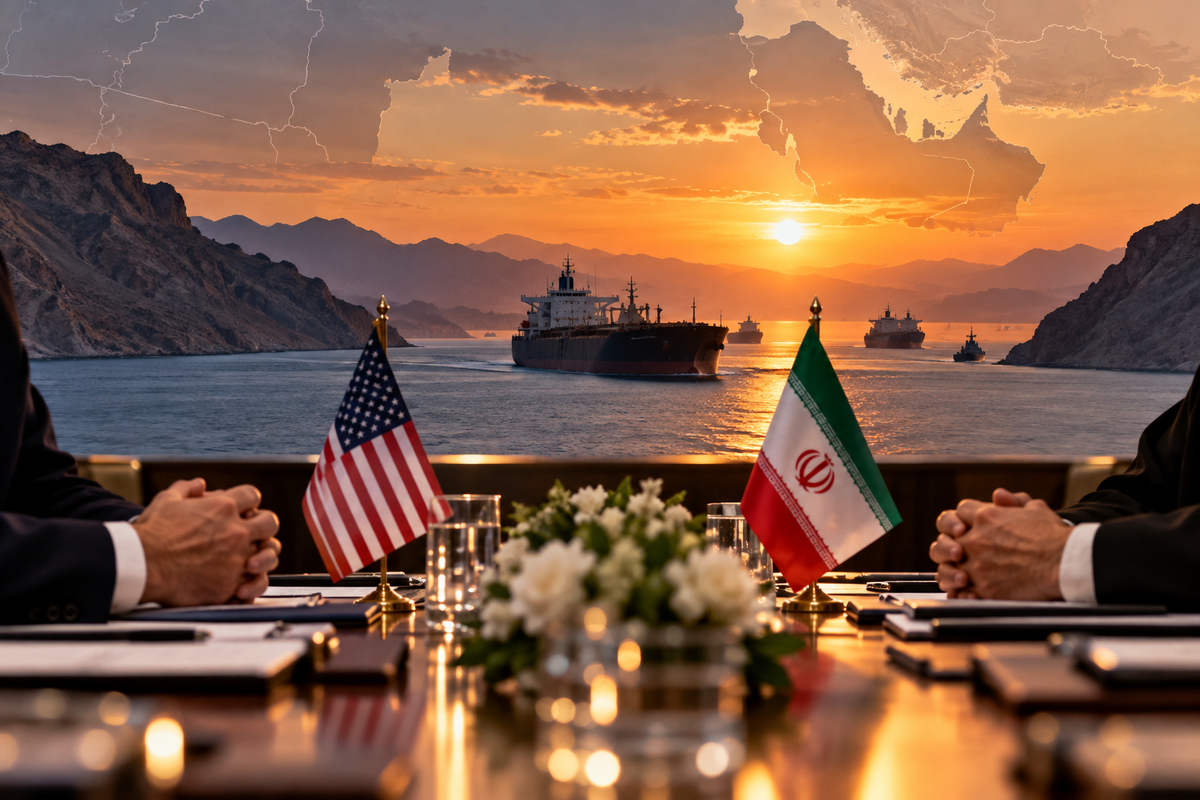
CAIRO — Mediators are continuing to work with Iran and the United States on a possible agreement aimed at ending the fighting and reopening the Strait of Hormuz, as indirect diplomacy resumes with substantial differences between the two sides still unresolved.
Three officials told the Associated Press that mediators remained engaged with both governments and that indirect talks were expected to resume on Monday.
The discussions follow a series of unsuccessful attempts to restore safer commercial passage through the Strait, one of the world’s most important energy shipping routes.
Hormuz at the centre of the negotiations
The latest diplomacy is focused first on the conflict and maritime access. Iran has previously offered to reopen the Strait within a defined period if the United States eases military pressure and lifts its blockade of Iranian ports, while Washington has sought terms that go beyond shipping access.
US President Donald Trump said over the weekend that he had rejected Tehran’s latest proposal, creating uncertainty over whether mediators could narrow the gap.
The proposals under discussion should not be treated as an agreement. Officials describing the talks have indicated that diplomacy is continuing, but neither side has announced a final settlement or a timetable for reopening the waterway.
That distinction is particularly important because the Strait has repeatedly been at the centre of diplomatic announcements during the conflict without a durable restoration of normal commercial traffic.
Nuclear and sanctions issues remain connected
The wider negotiations also involve longstanding disputes over sanctions and Iran’s nuclear programme. Washington has sought nuclear concessions, including access for inspectors, while Tehran has pressed for sanctions relief and an end to measures it describes as economic and military pressure.
How those issues are sequenced remains one of the central difficulties for mediators. A maritime arrangement could potentially provide an initial step towards de-escalation, but broader sanctions and nuclear questions would require additional understandings.
Iran’s delegation at the United Nations General Assembly has had authority to pursue diplomatic contacts, while regional mediators have continued to pass proposals between the two governments.
Shipping disruption has global consequences
The stakes extend well beyond the two countries. The Strait of Hormuz is a critical route for Gulf oil and liquefied natural gas exports, and the conflict has sharply reduced visible commercial traffic at different points this year.
Some vessels have continued to transit while switching off tracking transponders, meaning public vessel data does not capture every crossing. Even so, the disruption has contributed to higher freight costs, supply uncertainty and a large geopolitical premium in international oil prices.
Pakistan is exposed to those effects through its dependence on imported petroleum and LNG. Changes in Gulf shipping conditions can feed into domestic energy costs and the external account even when Pakistan is not directly involved in the negotiations.
The next test is whether the resumed indirect talks produce a workable sequence for de-escalation and maritime access. Until the two sides announce agreed terms, the Strait’s status and the wider conflict remain subject to continuing negotiation rather than a settled diplomatic outcome.