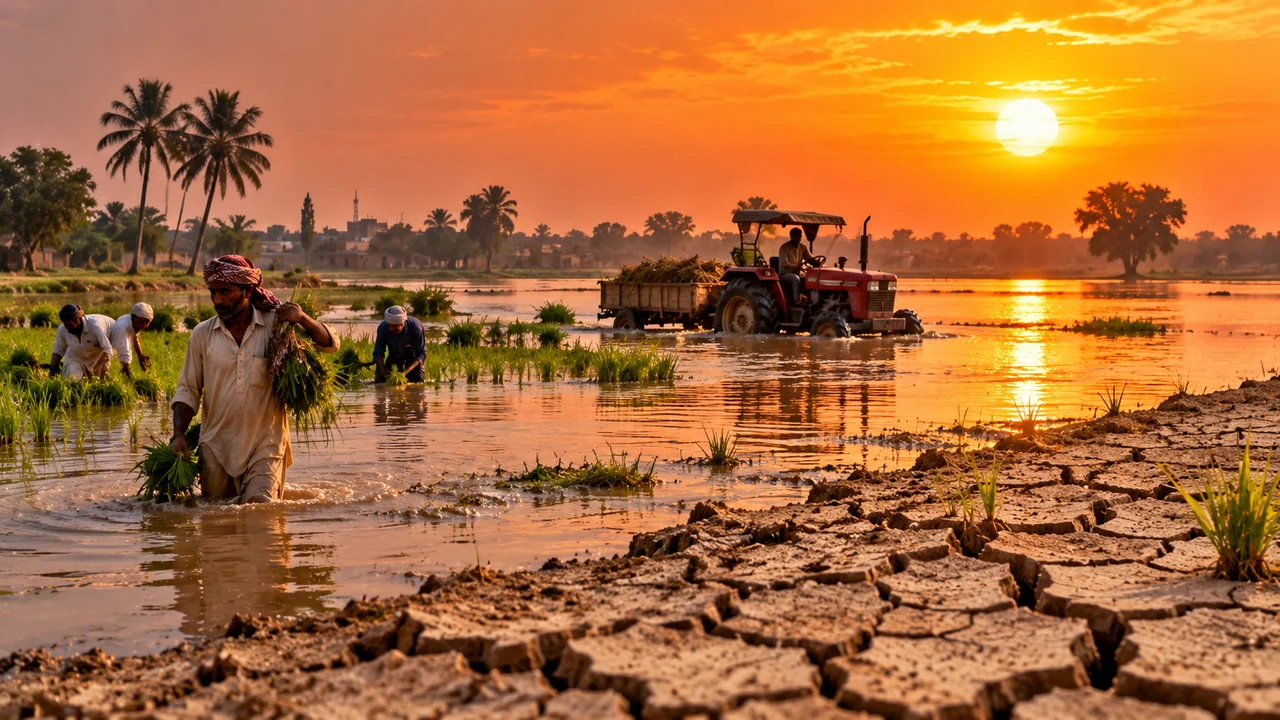
Pakistan experienced its warmest monsoon season in 66 years in 2026, according to a Pakistan Meteorological Department (PMD) assessment reported on October 16, highlighting a troubling combination of exceptional heat and below-average rainfall.
The country’s average temperature during July through September reached 30.7°C, approximately 0.9°C above normal. The figure exceeded the previous seasonal record of 30.6°C set in 2019. Nationwide monsoon rainfall was 19% below the long-term average, according to the reported PMD findings.
Regional rainfall gaps
The national rainfall figure conceals significant differences across Pakistan. Sindh experienced a rainfall deficit of about 51%, while Balochistan was 34% below normal. Rainfall was also below average in Azad Jammu and Kashmir (18%), Khyber Pakhtunkhwa (16%) and Punjab (4%). Gilgit-Baltistan, by contrast, received roughly 5% more rain than normal.
Even during a season that was dry overall, intense local downpours occurred. Lahore airport recorded 252 millimetres of rainfall in a single day on July 23, according to the reported PMD figures. This illustrates why below-normal seasonal totals do not rule out damaging short-duration storms.
The PMD assessment also documented pronounced heat. Turbat in Balochistan recorded 48.5°C on several days in July, underscoring the pressure that extreme temperatures can place on people, crops and water supplies.
El Niño and climate risks
The report discussed a strengthening El Niño pattern in the tropical Pacific and its association with a tendency toward reduced rainfall in the region. El Niño is a recurring climate pattern, but it does not determine the weather at any single location or explain every individual flood or heat event.
Below-average rainfall can affect reservoir replenishment, irrigation planning and agricultural production, particularly where unusually high temperatures increase evaporation and crop water demand. Meanwhile, heavy local storms can still cause flash flooding and infrastructure damage.
Reports published on Friday cited around 199 deaths in rain- and flood-related incidents during the monsoon period. This figure should be understood as a reported seasonal toll rather than a direct measure of deaths attributable to the temperature record or El Niño.
Planning for greater variability
The 2026 findings reinforce the need for better forecasting, water management, heat protection and local flood preparedness. Farmers and water authorities face the difficult task of planning for both inadequate seasonal rainfall and occasional extreme downpours.
The new temperature record describes one exceptionally warm monsoon season. It is consistent with concern about growing climate risks, but attributing the entire season to human-driven climate change would require a separate scientific attribution study.
Sources: Business Recorder, October 16; Express Tribune, October 16.