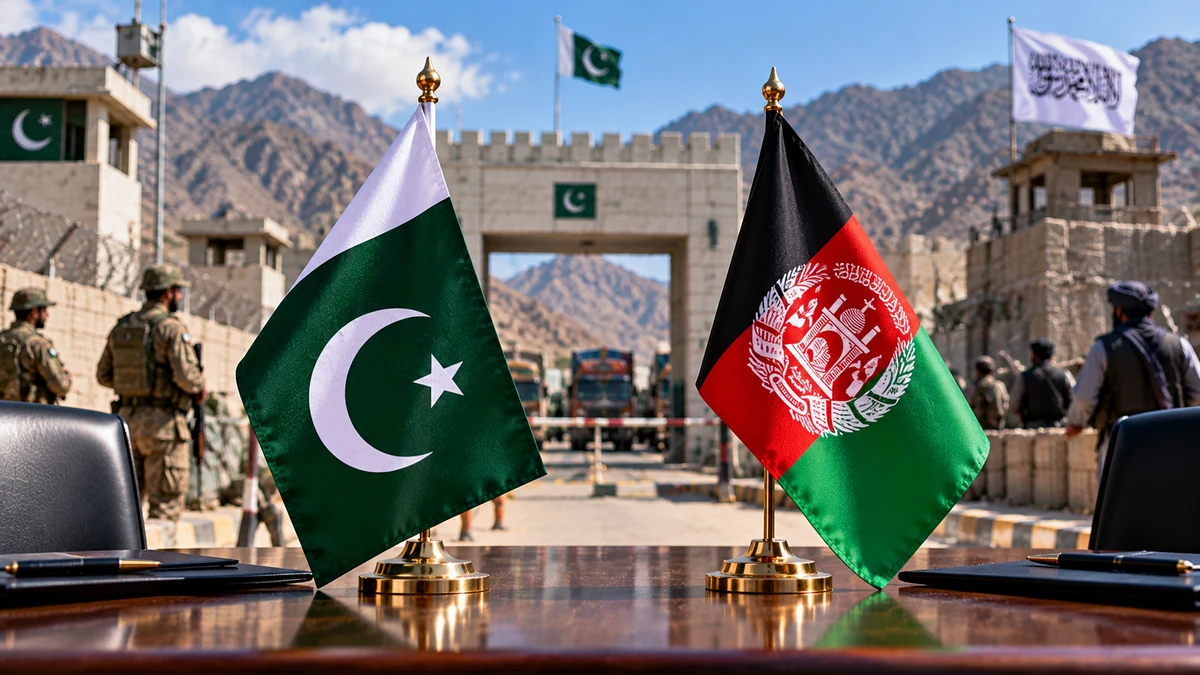
Tensions between Pakistan and Afghanistan have risen after new Pakistani strikes inside Afghanistan, with Islamabad and the Afghan Taliban government giving sharply different accounts of who was targeted and killed.
Pakistan says the strikes were based on credible intelligence and targeted militant hideouts in Afghanistan. Islamabad said 22 militants were killed and weapons and ammunition were destroyed.
The Afghan Taliban government disputes that account. It says Pakistani strikes hit three houses in Kunar and Helmand provinces and killed nine people, including women and children, while 11 others were injured.
The United Nations Assistance Mission in Afghanistan separately confirmed at least 10 civilian deaths, mostly children, according to Reuters.
The conflicting accounts underline the difficulty of independently establishing the full toll and target of the strikes. Pakistan’s claim that militant hideouts were hit and the Taliban government’s claim that homes and civilians were struck should therefore be treated as attributed claims rather than a single agreed account.
The latest strikes mark an escalation after roughly three months of relative calm between the two neighbours.
Relations have been strained by a series of militant attacks in Pakistan and Islamabad’s repeated allegation that armed groups attacking Pakistan are operating from Afghan territory.
Pakistan has accused the Afghan Taliban authorities of allowing militants to use sanctuaries across the border. Kabul rejects Pakistan’s characterisation and argues that militancy inside Pakistan is primarily an internal Pakistani issue.
The dispute has repeatedly spilled into border closures, military exchanges and diplomatic tensions.
The latest escalation comes after a militant attack on a Pakistani police facility killed 24 people in September, adding to Islamabad’s pressure on Kabul over cross-border militancy.
Afghanistan has also made accusations against Pakistan. In late September, the Afghan defence ministry said its forces killed fighters who had crossed from Pakistan into Nuristan province and alleged that some had links to Islamic State. Pakistan has rejected allegations that it supports or facilitates such groups.
The competing accusations have created a cycle in which each side says the other is failing to prevent armed groups from using territory near the border.
For Pakistan, the central security issue remains attacks by militants it says are based in Afghanistan. For the Afghan Taliban government, Pakistani strikes inside Afghan territory are presented as violations of sovereignty that risk civilian casualties.
The latest strikes increase the risk of further military and diplomatic confrontation unless the two governments find a way to address their security disputes through direct engagement.