ISLAMABAD, November 2, 2026 — Pakistan’s annual consumer price inflation eased to 9.6% in October 2026 from 10.3% in September, although prices continued to increase on a monthly basis, according to figures released by the Pakistan Bureau of Statistics (PBS).
The Consumer Price Index (CPI), which measures changes in the prices of goods and services purchased by households, rose 1.1% compared with September. The monthly increase was slightly lower than the 1.3% recorded in the preceding month.
Despite the moderation in annual inflation, the October reading remained above the 6.2% recorded during the same month last year.
Inflation in urban areas stood at 9.5% year-on-year, compared with 10.1% in September. Rural inflation declined to 9.8% from 10.5%, remaining slightly higher than the urban rate.
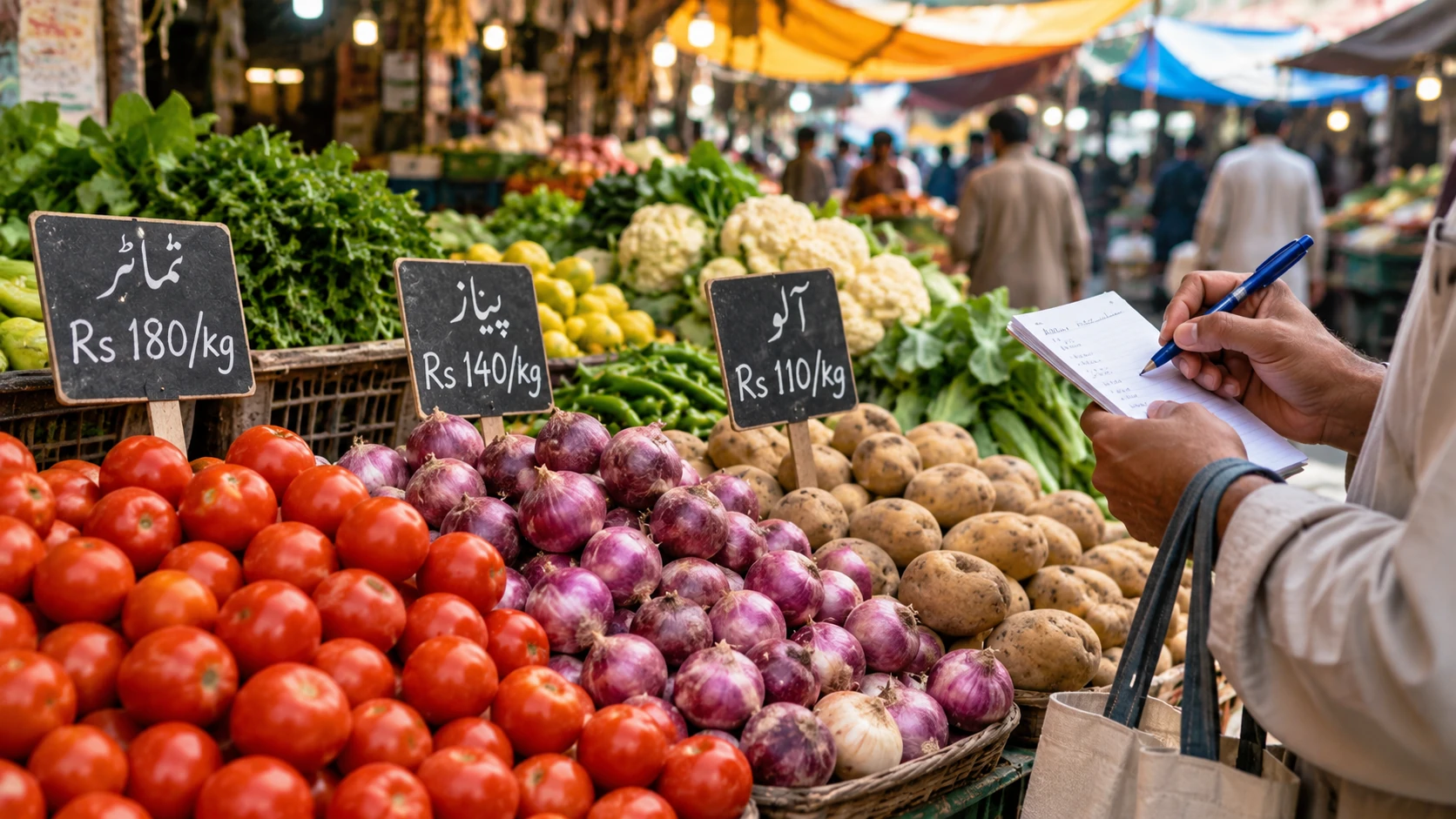
Food inflation showed differing trends across the country. Urban food prices increased 7.8% from a year earlier, while rural food inflation stood at 7.1%.
On a monthly basis, however, rural food prices rose 2.5%, compared with a 1.5% increase in urban areas.
Non-food inflation remained elevated, reaching 10.6% in urban areas and 12.3% in rural areas on an annual basis.
The PBS data also showed that core inflation, excluding food and energy, eased to 7.8% in urban areas and 7.1% in rural areas, compared with 8.6% and 8.1%, respectively, in September.
Meanwhile, wholesale price inflation increased to 13.8% year-on-year in October from 13.3% in September, indicating that price pressures remained significant at the wholesale level.
The average national CPI inflation rate for the first four months of the 2026–27 financial year stood at approximately 10.1%, compared with 4.8% during the corresponding period of the previous financial year.
The October figures indicate a slower annual pace of consumer price increases, rather than an overall decline in prices, with households continuing to face higher costs than a year earlier.