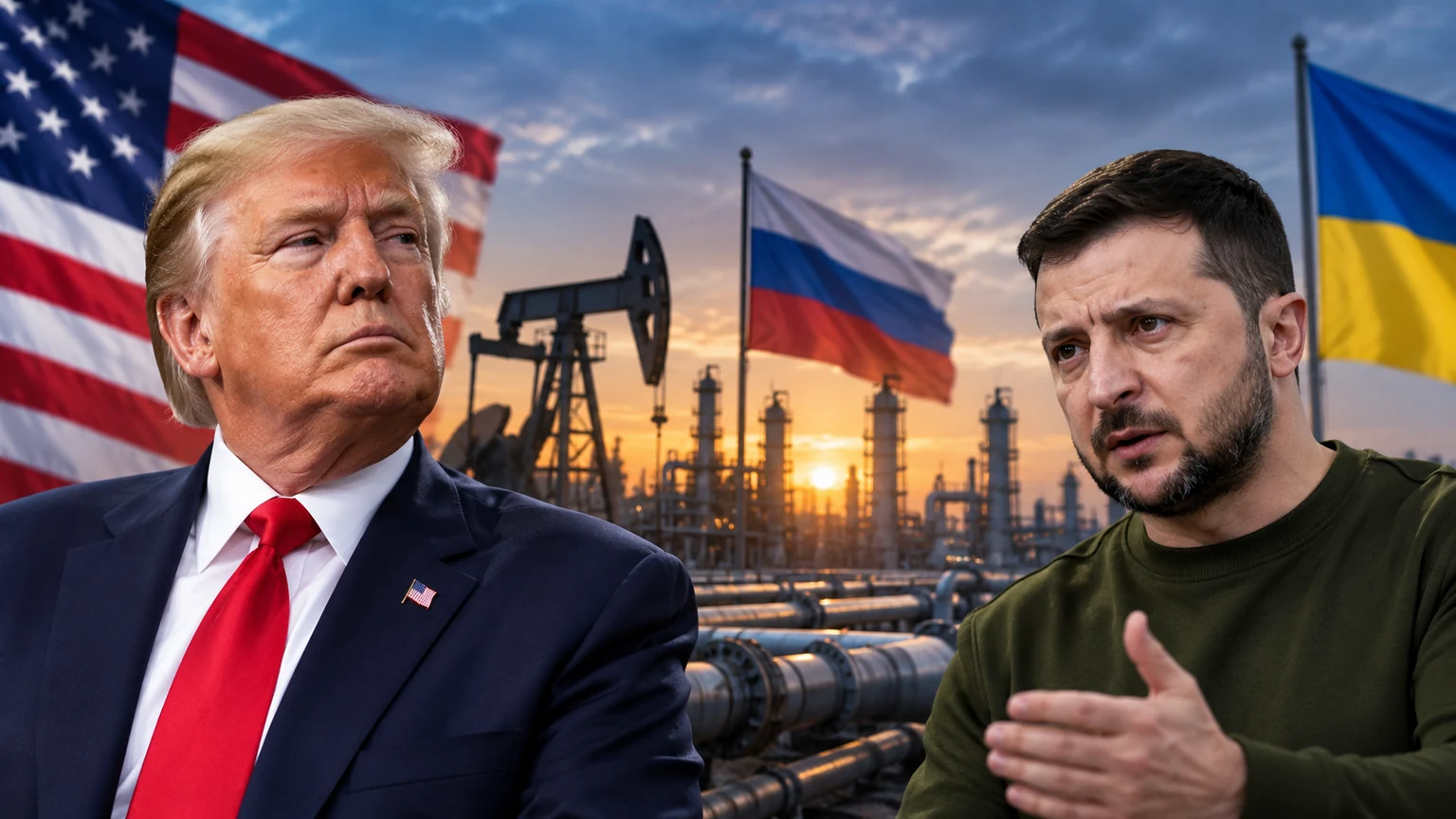
US President Donald Trump has waived a series of new sanctions and tariffs targeting Russia, just days before the measures were scheduled to take effect, drawing criticism from Ukrainian President Volodymyr Zelensky and members of the US Congress.
The decision was announced in an executive order issued by the White House on October 16. Trump said the waiver was in the national interests of the United States.
The measures were introduced under the Lindsey O. Graham Sanctioning Russia and Iran Act of 2026, which Trump signed into law on September 18. The legislation was intended to increase economic pressure on Moscow over its continuing war in Ukraine.
What sanctions has Trump waived?
The legislation provided for additional penalties against Russia, including restrictions on individuals and entities linked to Moscow and tariffs affecting trade in Russian energy.
Under the law, the United States could impose tariffs of 100% on goods from major importers of Russian oil and natural gas, as well as countries facilitating sanctions evasion.
The executive order also addressed a 500% tariff provision concerning goods imported directly from Russia.
However, Trump used the law’s waiver authority to suspend the application of specified sanctions, restrictions and duties.
The White House said the president had submitted the required certification to Congress explaining that the waivers served US national interests.
The waivers will remain in effect until the president or designated senior officials determine that further action is appropriate.
Zelensky criticises the decision
Ukrainian President Volodymyr Zelensky criticised the decision, warning that easing pressure on Moscow could undermine efforts to end Russia’s military campaign.
Ukraine has consistently urged its international partners to tighten restrictions on Russian energy revenues, arguing that oil and gas exports help finance the war.
The latest disagreement comes as Russian attacks continue to threaten Ukraine’s electricity infrastructure ahead of winter.
Kyiv has repeatedly maintained that stronger economic pressure, alongside military and diplomatic support, is necessary to bring Russia to meaningful negotiations.
US lawmakers raise concerns
The waiver also prompted criticism from lawmakers who supported the new sanctions legislation.
Democratic Representative Don Beyer accused Trump of disregarding congressional efforts to hold Russia accountable for its invasion of Ukraine.
The administration has separately faced questions from lawmakers over an arrangement involving Russian diesel supplies, which critics argue could provide additional revenue to Moscow.
Supporters of tougher sanctions contend that reducing economic pressure risks weakening the United States’ negotiating position.
The Trump administration, meanwhile, has cited US national interests in explaining its decision.
Russia welcomes the move
Kirill Dmitriev, a Russian investment envoy, welcomed the waiver, describing it as an important development for economic relations between Moscow and Washington.
Russia has faced extensive Western financial, trade and energy restrictions since launching its full-scale invasion of Ukraine in February 2022.
Moscow has repeatedly criticised Western sanctions, while Ukraine and its allies have argued that such measures are necessary to limit Russia’s ability to sustain the conflict.
Existing US sanctions remain in place
The executive order does not remove every American sanction against Russia.
The White House specifically stated that the waiver does not affect existing measures imposed under earlier executive orders addressing harmful activities by the Russian government.
The decision therefore suspends specified provisions of the newly enacted legislation rather than ending the broader US sanctions framework.
What could happen next?
The waiver may have implications for international energy markets and trade relations, particularly involving countries that purchase significant quantities of Russian oil.
China and India, two major buyers of Russian energy, have previously expressed concerns about the potential consequences of additional US tariffs.
The administration retains the ability to reconsider the waivers, while lawmakers may continue pressing for stronger enforcement.
For Ukraine, the immediate concern remains whether reduced economic pressure on Moscow could complicate diplomatic efforts to end the war.
The development highlights continuing disagreements over how Washington should balance economic interests, sanctions policy and support for Ukraine.
Image: AI-generated editorial illustration; not a photograph of an actual meeting.