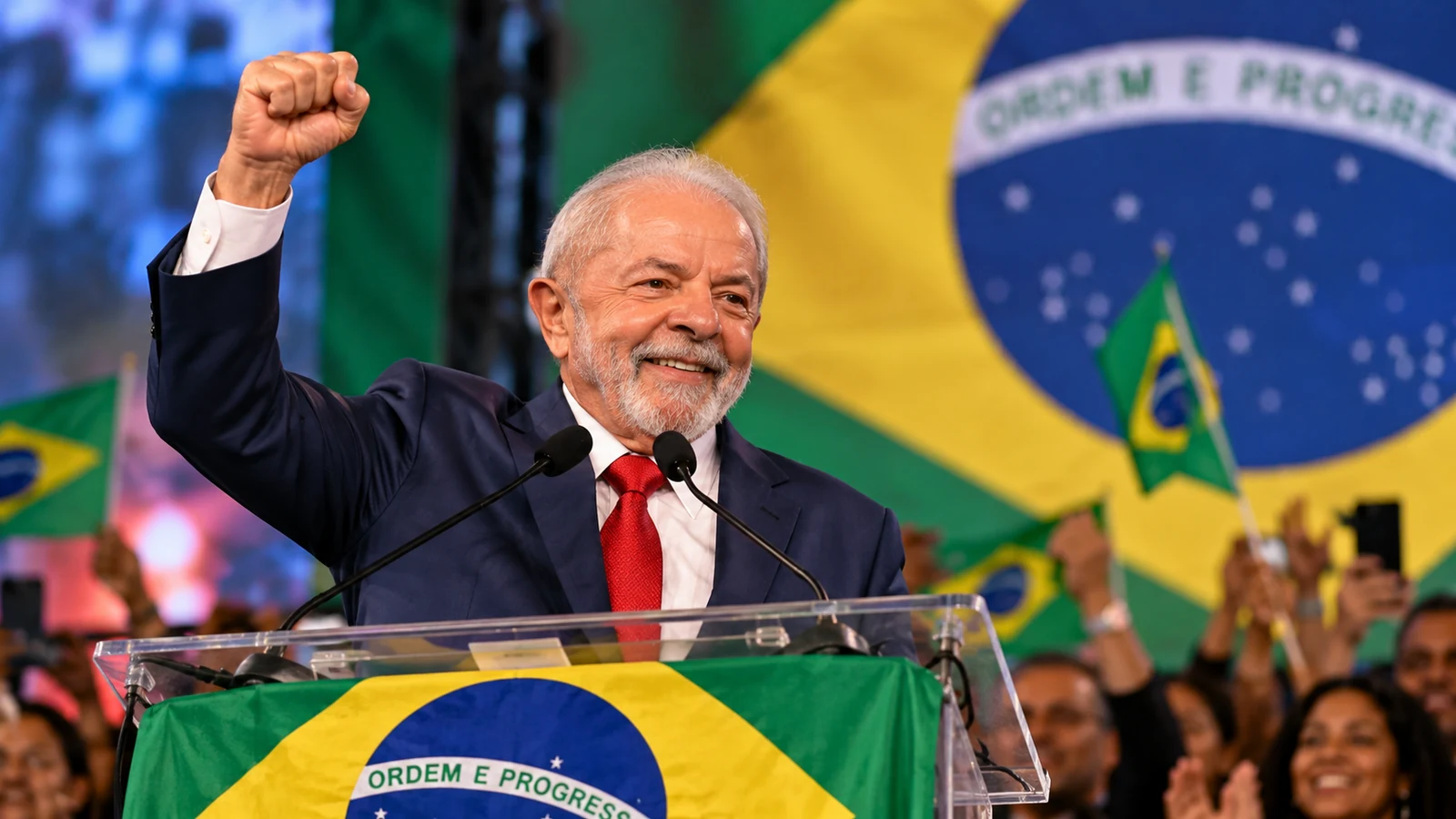
BRASÍLIA, October 26, 2026: Brazilian President Luiz Inácio Lula da Silva has won the country’s presidential runoff election, defeating Senator Flávio Bolsonaro and securing a fourth non-consecutive term in office.
Brazil’s electoral authority confirmed the result following Sunday’s vote, according to Reuters.
The election followed a closely watched contest between Lula, the candidate of the Workers’ Party, and Bolsonaro, who represented the Liberal Party.
Lula’s victory extends a political career that has already included three presidential terms and several decades at the centre of Brazilian politics.
The result also highlights the continuing divisions in Brazil’s political landscape, where competing approaches to economic management, public spending and social policy have shaped electoral debate.
Lula’s next administration will face questions about economic growth, government finances, investment and the country’s international relationships.
Brazil is Latin America’s largest economy and an important participant in international agricultural trade, commodity markets and multilateral diplomacy.
Developments in its economic policies can therefore have implications beyond South America, particularly for countries that trade in agricultural products and other commodities.
The election result is also significant for Brazil’s relationships with major international partners, including the United States and China.
For Pakistan, Brazil is an important international economic and diplomatic partner, and changes in its trade and foreign policy priorities may be relevant to future bilateral engagement.
The electoral authority’s confirmation establishes the outcome of the presidential contest, although the political and economic direction of Lula’s next term will depend on subsequent government decisions.
Lula’s victory sets the stage for another presidential term in which Brazil’s economic challenges, political divisions and role in international diplomacy will remain central issues.