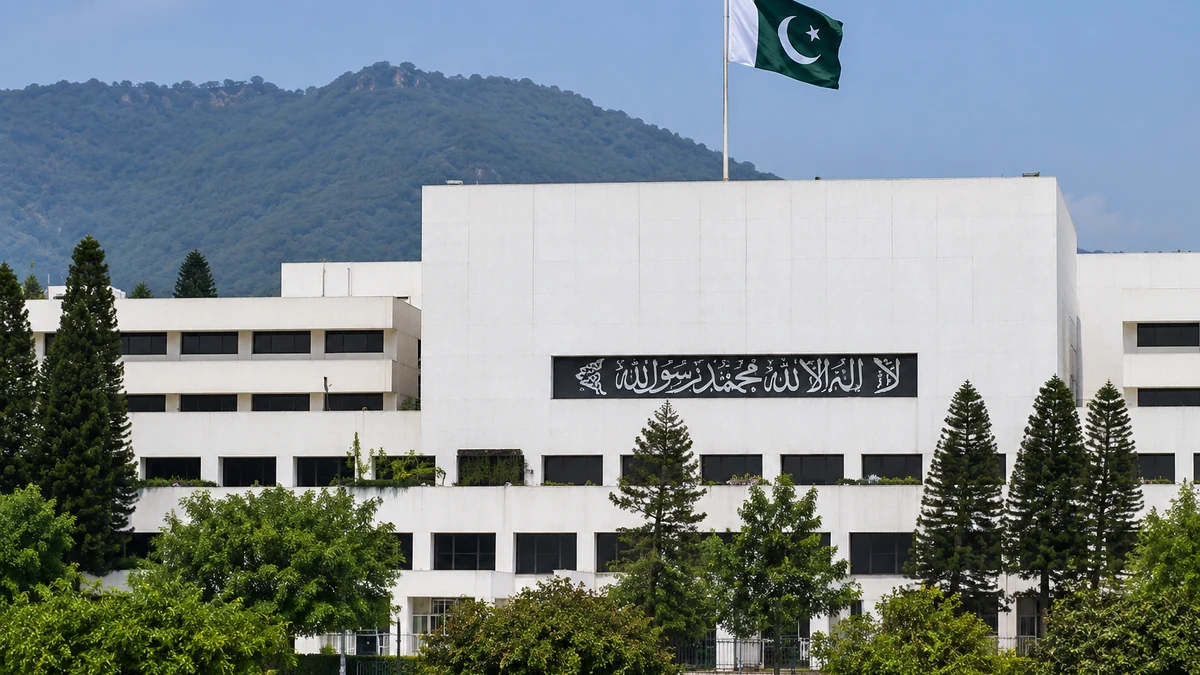
A joint sitting of Pakistan’s Parliament approved presidential proclamations imposing emergency measures and Governor’s Rule in Khyber Pakhtunkhwa on October 15, following their announcement on October 11.
The decision has raised questions about provincial autonomy, constitutional powers and the federal government’s response to security challenges in the province.
Parliament endorses emergency measures
According to the National Assembly’s official resolutions register, Parliament approved the emergency proclamation under Article 232(7) of the Constitution. Radio Pakistan also reported approval of a separate proclamation imposing Governor’s Rule.
The resolutions were presented by Parliamentary Affairs Minister Dr Tariq Fazal Chaudhry.
Law Minister Azam Nazeer Tarar defended the intervention as a last resort, arguing that the provincial administration had failed to respond adequately to the security situation.
Interior Minister Mohsin Naqvi said the federal government had sought cooperation on counterterrorism measures before taking action.
Implications for provincial governance
Emergency powers and Governor’s Rule can change how provincial executive and legislative responsibilities are exercised, depending on the constitutional provisions invoked and the terms of the presidential proclamations.
Parliamentary approval provides formal endorsement of the measures, but the precise impact on provincial institutions depends on the official orders governing their implementation.
The intervention has also intensified debate over federal-provincial relations. Government representatives have emphasised security concerns, while parliamentary discussions have highlighted the need for political cooperation and protection of residents’ rights.
What happens next?
Key questions include how long the emergency arrangements will remain in place, which provincial institutions retain their normal responsibilities and what conditions would allow a return to ordinary constitutional administration.
The effectiveness of the measures will ultimately be judged by their impact on security, public services and constitutional protections.
Sources: National Assembly of Pakistan, October 15, 2026; Radio Pakistan, October 15, 2026.