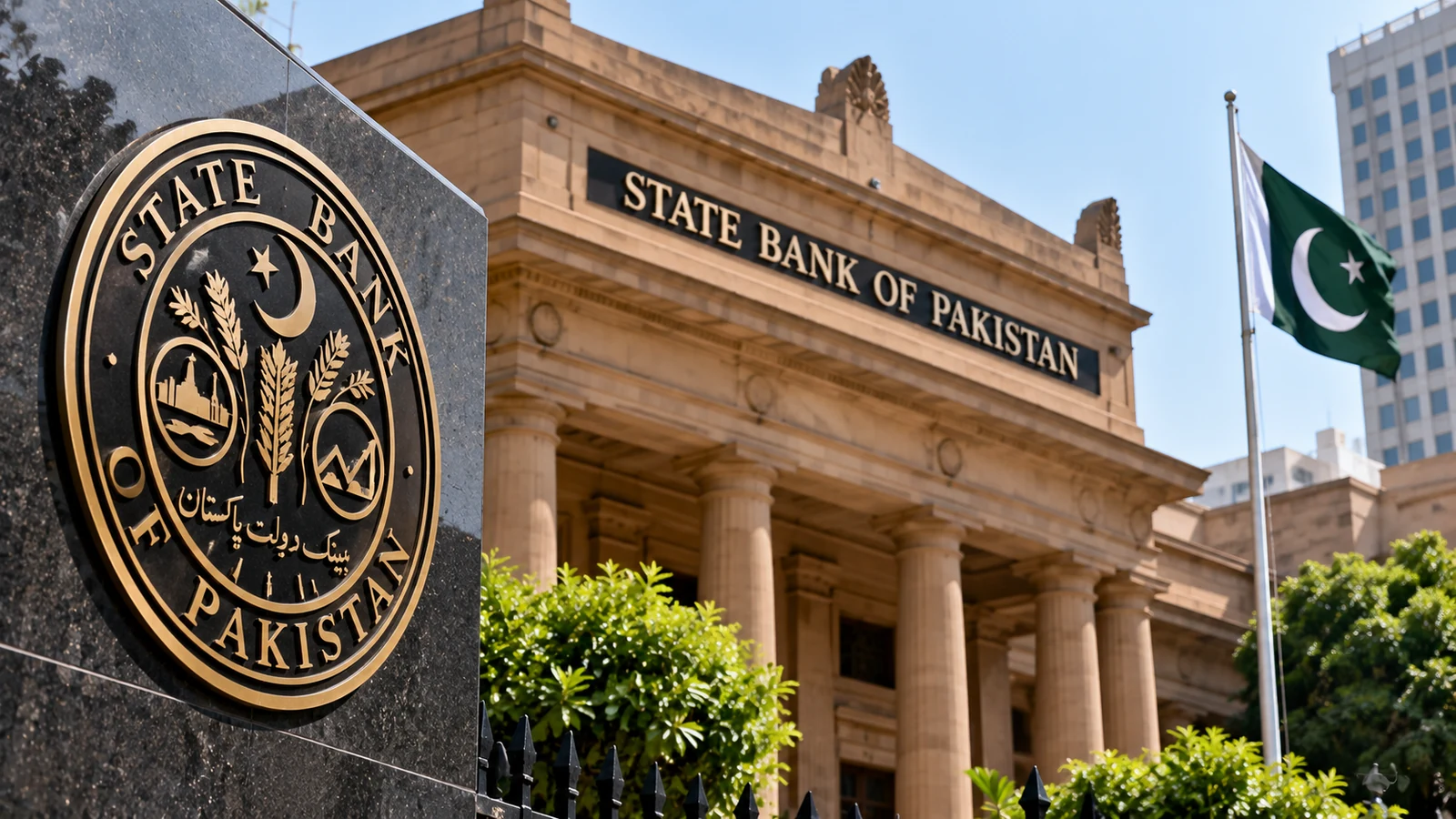
KARACHI, October 26, 2026: The State Bank of Pakistan (SBP) raised its benchmark policy rate by 50 basis points to 12% on Monday, citing growing inflation risks linked to higher international energy prices and domestic food costs.
The decision, which takes effect on October 27, follows a period of unchanged interest rates as the central bank assessed economic conditions and developments in global markets.
Nine members of the Monetary Policy Committee supported the 50-basis-point increase, while one favoured a larger adjustment.
The move comes as Pakistan faces renewed pressure from rising fuel import costs and disruptions in international energy markets caused by the conflict in the Middle East.
Annual consumer price inflation reached 10.3% in September, with higher food prices contributing to the increase.
The central bank also identified wheat supply constraints and elevated prices of wheat-related products as risks to the inflation outlook.
Higher international oil prices can affect Pakistan through increased import payments, transport costs and production expenses, potentially adding to prices paid by consumers.
The SBP aims to contain these pressures and prevent temporary increases in food and energy costs from leading to more persistent inflation.
Despite the rate increase, the central bank maintained its economic growth forecast of 3.5% to 4.5% for fiscal year 2026–27.
It also retained its projection for the current account deficit at between 0% and 1% of gross domestic product, although uncertainty surrounding the external outlook has increased.
Workers’ remittances are expected to reach approximately $45 billion during the fiscal year, providing an important source of foreign exchange.
The central bank reported foreign exchange reserves of around $21.5 billion, equivalent to approximately three months of import cover.
The higher policy rate could increase financing costs for businesses and borrowers, particularly those with loans linked to market interest rates.
For Pakistan’s industrial sector, the decision adds to existing challenges from expensive energy, imported raw materials and transportation costs.
The SBP emphasised the importance of maintaining economic stability and strengthening financial buffers amid continued uncertainty in international markets.
Future interest rate decisions will depend on inflation trends, domestic economic activity and developments affecting global energy supplies.
Monday’s increase signals a more cautious monetary policy approach as Pakistan seeks to protect recent economic gains while managing renewed inflationary pressure.