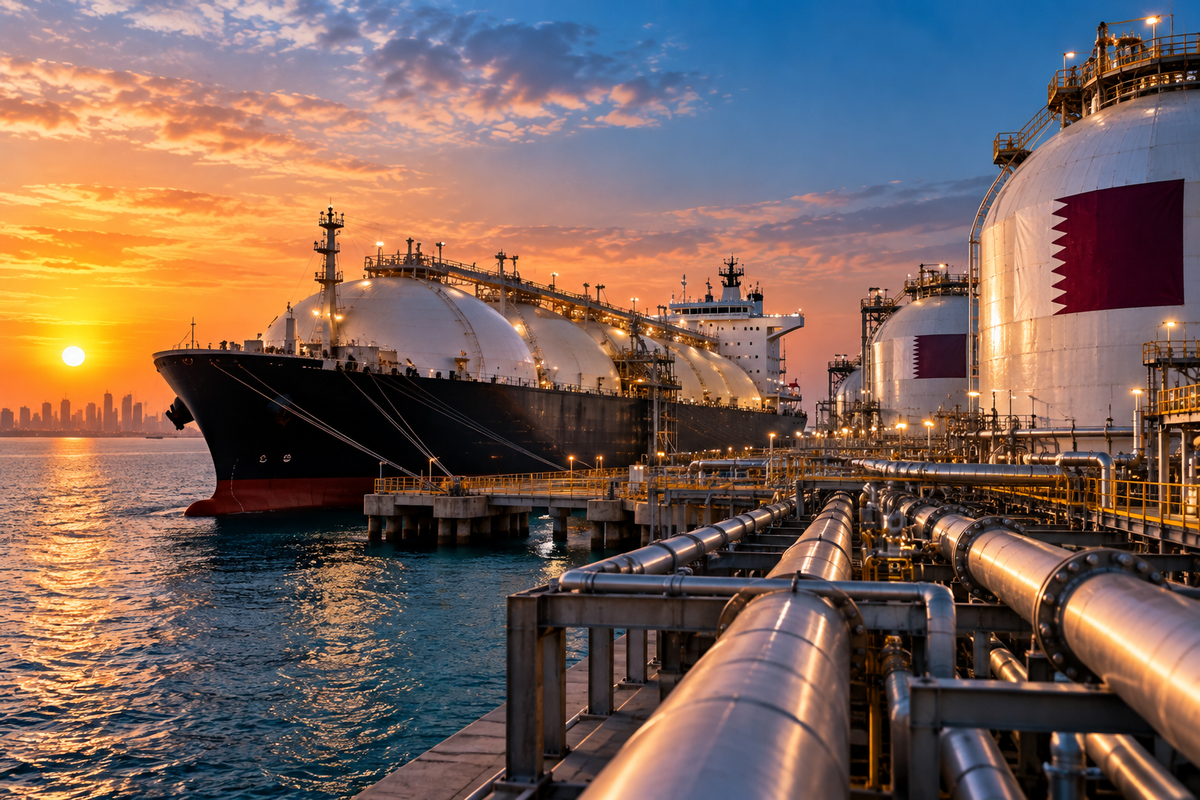
QatarEnergy has extended force majeure notices affecting liquefied natural gas deliveries to Pakistan and other Asian customers as disruption around the Strait of Hormuz continues to complicate global gas shipments.
Reuters reported that clients in Asia, including Pakistan and Bangladesh, had been informed that force majeure notices were extended into November. The notices were originally issued after the regional conflict disrupted shipping and Qatar’s ability to deliver cargoes under normal contractual arrangements.
The development does not mean that all LNG supplies to Pakistan have stopped. Qatar-linked LNG traffic through the Strait of Hormuz has shown signs of increasing in recent weeks, with several vessels resuming visible transits, according to separate Reuters reporting based on shipping data.
Force majeure is a contractual mechanism used when extraordinary events prevent or materially disrupt a party’s ability to meet agreed obligations. Its application can affect delivery schedules without necessarily ending the underlying supply relationship.
Qatar is one of the world’s largest LNG exporters and an important supplier to Pakistan. Disruptions to Qatari cargoes therefore matter for Pakistan’s energy system, where imported gas is used by power producers, industry and other consumers.
The latest extension reflects the continuing difficulty of operating through one of the world’s most important energy chokepoints. The Strait of Hormuz normally carries a significant share of global oil and LNG trade, making restrictions on shipping a concern well beyond the Gulf.
QatarEnergy’s European customers are also affected. Italian utility Edison said it would not receive Qatari LNG cargoes until the beginning of December, according to Reuters, while Asian customers were given extensions into November.
For Pakistan, the practical effect depends on the timing of individual cargoes, contractual arrangements and the availability of alternative supply. It would therefore be inaccurate to treat the force majeure extension as evidence that every scheduled Qatari cargo has been cancelled.
Pakistan has long relied on term LNG contracts alongside spot-market purchases to meet gas demand. When term deliveries are disrupted, replacement cargoes can expose buyers to different prices and availability conditions in the international market.
The situation remains fluid because shipping movements have begun to recover even while formal force majeure protections remain in place. That combination suggests physical trade is continuing in some form, but not yet under normal operating conditions.
Further changes in Hormuz traffic, regional security and QatarEnergy’s delivery notices will determine how long the disruption lasts. Until then, the extension keeps Pakistan among the Asian LNG customers directly exposed to the continuing regional shipping crisis.