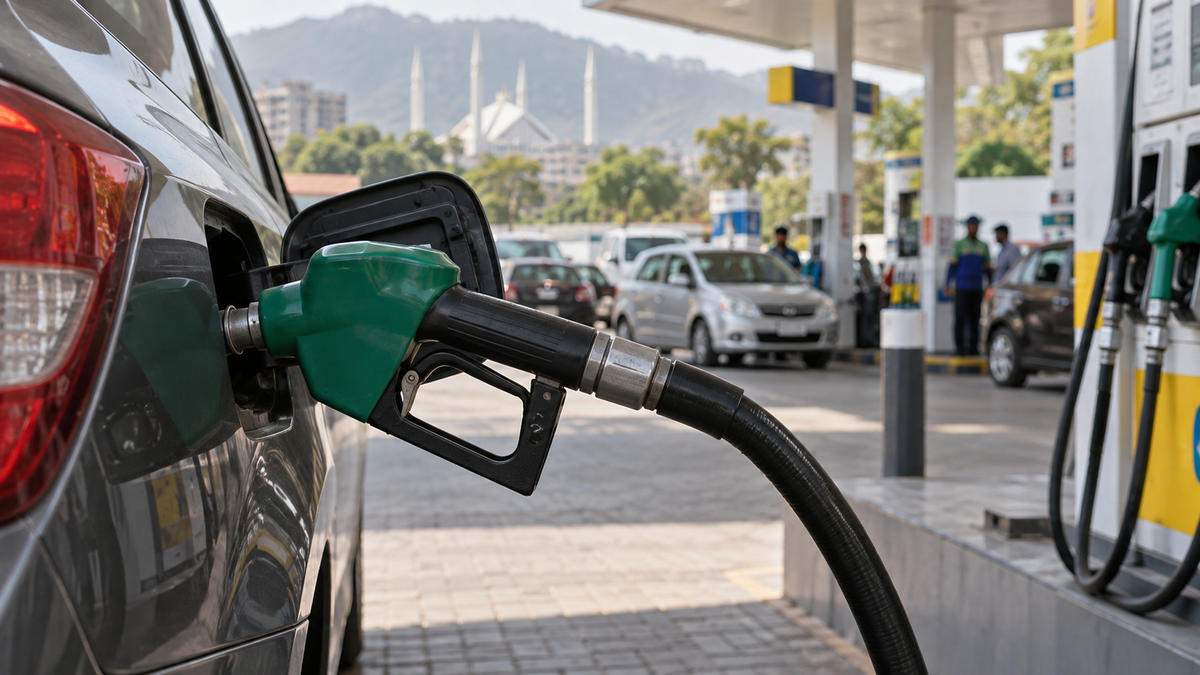
Pakistan has raised petrol and high-speed diesel prices again, adding to the sharp increase in fuel costs that has built up since the Middle East conflict disrupted global energy markets.
The Petroleum Division said the price of petrol rose by Rs4.10 a litre to Rs384.34 from Rs380.24, while high-speed diesel increased by Rs6.41 to Rs415.83 from Rs409.42. The new prices took effect on September 16.
The latest increase is smaller than some of the jumps seen earlier in the year, but it leaves both major transport fuels far above their levels at the beginning of March. Petrol was around Rs266 a litre in early March and reached a peak of Rs458.41 on April 3. High-speed diesel was around Rs281 before climbing as high as Rs520.35 on April 3.
That makes the latest revision part of a much broader shift in Pakistan’s fuel-price environment rather than an isolated adjustment.
Fuel prices matter well beyond motorists. Diesel is widely used in freight, agriculture and commercial transport, while petrol costs affect private travel, motorcycles, ride-hailing and a large part of the urban transport economy. Sustained increases can therefore feed into the cost of moving food, manufactured goods and other essentials around the country.
Pakistan’s domestic fuel prices are linked to international petroleum costs and the rupee-dollar exchange rate, alongside taxes, levies and other components of the pricing formula. The disruption to global oil supplies and shipping since the outbreak of the Iran war has made those external pressures particularly important this year.
The government has separately introduced a fuel-relief programme intended to cushion some of the impact on smaller vehicles. The scheme covers motorcycles, rickshaws and cars with engine capacity of up to 800cc, targeting users considered more vulnerable to the surge in pump prices.
That relief does not change the headline retail prices, however, and businesses that rely heavily on diesel continue to face the higher market rate.
The next fuel-price review will be watched closely for signs of whether the recent rise in international oil costs is easing or becoming more persistent. For households and businesses, the key question is no longer simply whether prices are higher than they were a fortnight ago, but how long fuel remains at levels that were difficult to imagine at the start of March.