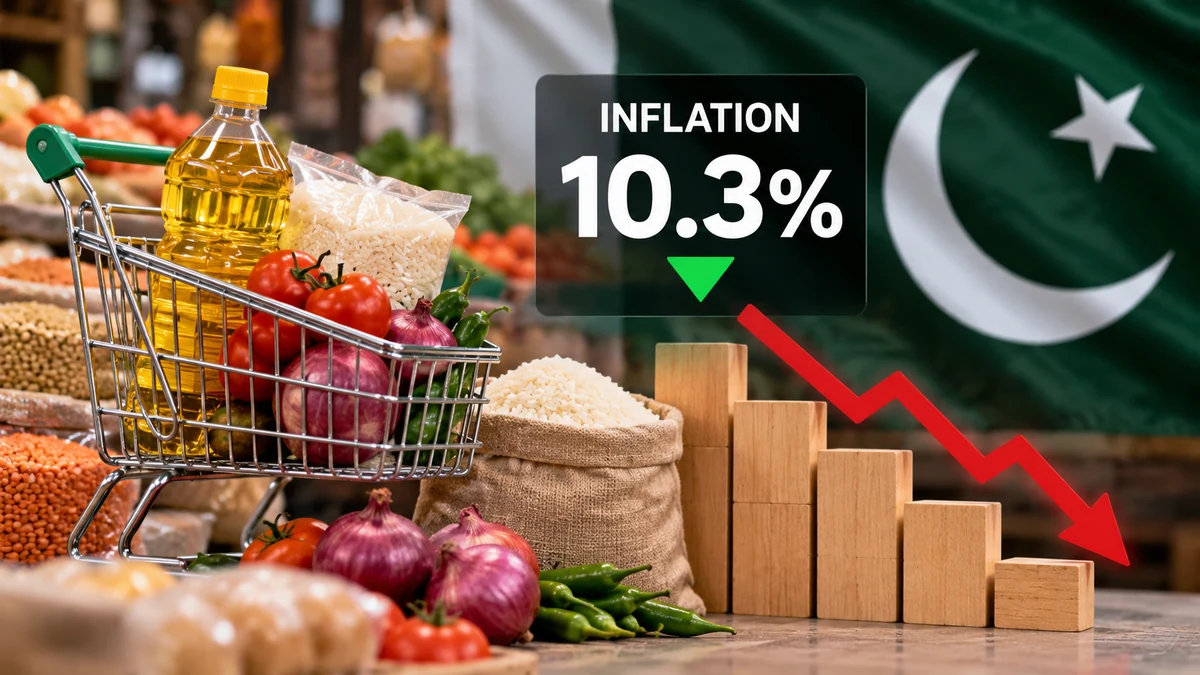
ISLAMABAD — Pakistan’s annual inflation rate fell to 10.3% in September 2026, down from 11.1% in August, according to figures released by the Pakistan Bureau of Statistics (PBS).
The decline means prices increased more slowly than they had a month earlier when compared with the previous year. It does not mean that everyday goods became cheaper overall.
In fact, prices rose by 1.3% between August and September. The annual figure compares September’s prices with those recorded in September 2025.
Food inflation slowed significantly, helping bring down the national rate. In cities, food inflation fell to 8.1% from 12.1% in August. In rural areas, it declined to 7.7% from 13.2%.
The overall inflation rate was 10.1% in urban areas and 10.5% in rural areas. Both were lower than the previous month’s readings.
However, households continued to face higher costs in other areas. Transport prices rose during September, while electricity and fuel costs also added pressure to family budgets.
For a household, the figures mean that the pace of price increases has eased, although shopping, travel and utility bills may still be more expensive than a year ago.
Inflation is an important measure for the government and the State Bank of Pakistan because it affects household spending, business costs and decisions about interest rates.
The latest PBS report shows an improvement in the annual inflation rate, with food prices playing a major role in September’s slowdown.