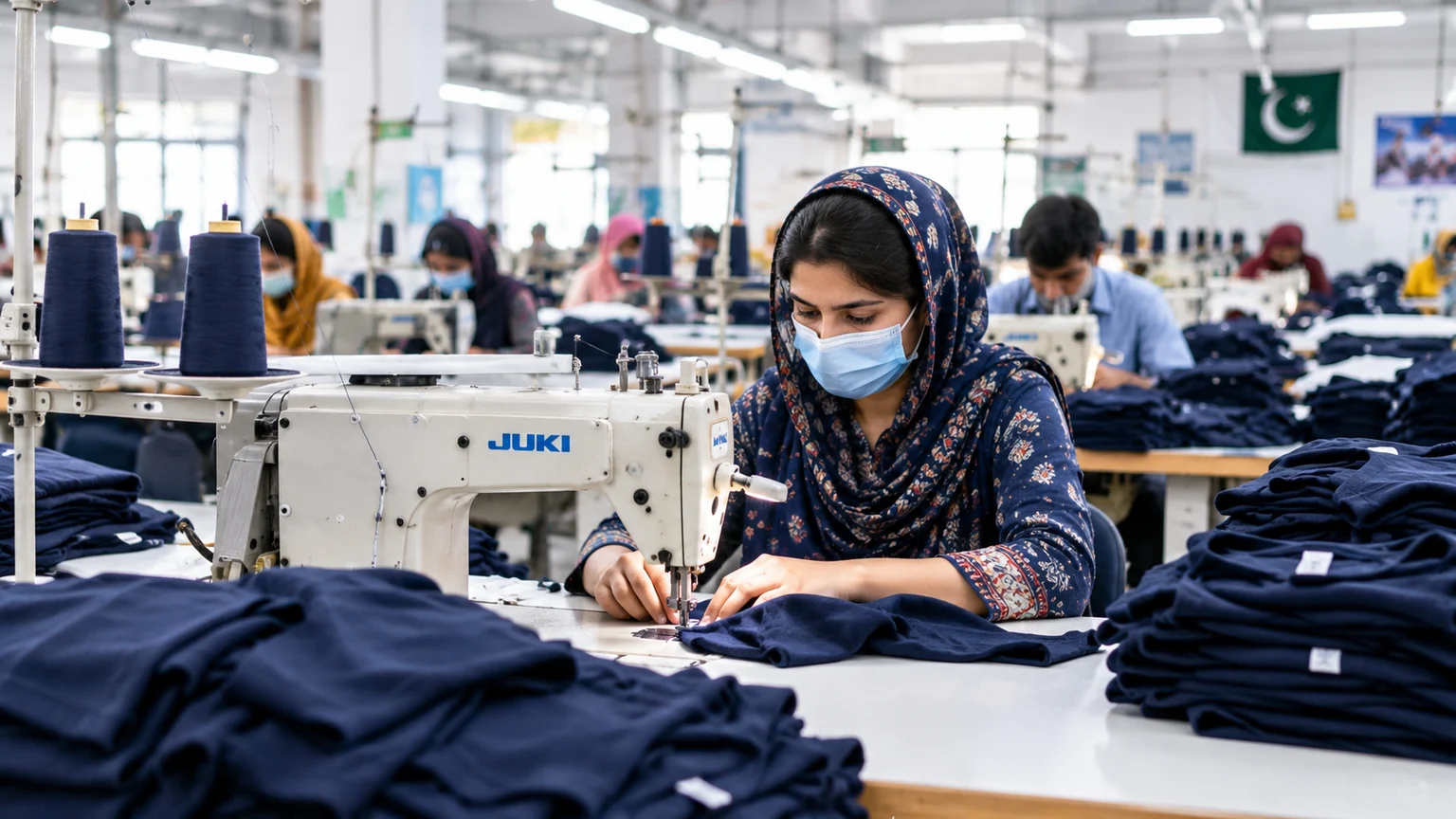
LAHORE, October 29, 2026 — Pakistan’s hosiery and textile exporters have warned that the State Bank’s latest interest-rate increase could raise production costs and weaken the competitiveness of locally manufactured goods in international markets.
The Pakistan Hosiery Manufacturers and Exporters Association expressed concern after the central bank increased its benchmark policy rate by 50 basis points to 12%.
In a statement issued on Wednesday, PHMA North Zone Senior Vice Chairman Izhar-ul-Haq said exporters were already facing expensive financing, high operating costs and strong competition from regional manufacturers.
He argued that higher interest rates would make working-capital loans more expensive for businesses purchasing raw materials, paying workers and fulfilling overseas orders.
The association also pointed to lower policy rates in several competing economies, although differences in inflation, monetary conditions and financial systems mean direct comparisons have limitations.
Pakistan’s value-added textile industry relies on timely access to finance to maintain production and meet delivery schedules for foreign buyers.
When borrowing costs increase, businesses may face greater pressure on profit margins, particularly where international customers resist higher prices.
PHMA urged policymakers to consider financing arrangements for exporters, alongside measures to reduce energy costs and ensure timely payment of tax and duty refunds.
The central bank’s decision reflects broader concerns about inflation and economic stability. Higher interest rates are intended to contain price pressures, but can also discourage borrowing and investment.
The dispute highlights the challenge of balancing inflation control with industrial growth and export competitiveness.
The actual impact on textile exports will depend on financing conditions, energy prices, foreign demand and how long the higher policy rate remains in place.