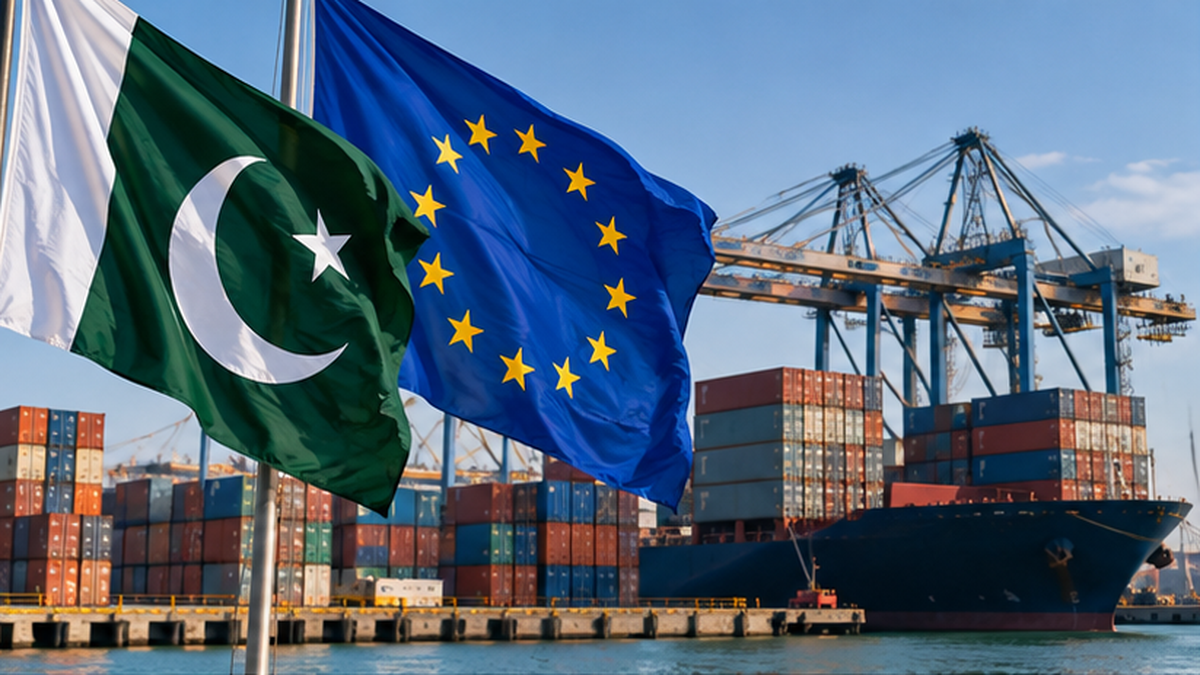
Pakistan will have to submit a fresh application to remain in the European Union’s GSP+ preferential trade programme under a revised regime that adds new international commitments and admission requirements.
Existing beneficiaries are moving into a transition period under the new framework. Pakistan is expected to continue receiving its current preferences through the end of 2028, but continuation beyond that point is not automatic.
The revised framework adds new conventions and requires applicants to submit a plan of action for implementation, increasing the compliance requirements attached to preferential access.
What changed
The important development is that Pakistan cannot simply rely on its existing GSP+ status rolling over indefinitely. It will need to qualify under the successor regime and demonstrate progress against a broader set of commitments.
Pakistan’s commerce authorities have already begun work on an action plan for the transition.
Why it matters
The European Union is one of Pakistan’s most important export markets, particularly for textiles and apparel. Preferential tariff treatment makes Pakistani products more competitive in Europe, so losing GSP+ benefits could expose exporters to higher duties.
That makes the transition more than a diplomatic compliance exercise. It has direct implications for export competitiveness, factory orders, employment and foreign-exchange earnings.
The new requirements also connect trade access with Pakistan’s performance on international commitments covering areas including human rights, labour standards, governance and environmental obligations.
What happens next
Pakistan has until the end of the transition period to complete the reapplication process and demonstrate that it meets the revised requirements.
The central question will be whether Islamabad can satisfy the revised admission and implementation requirements to preserve preferential access after 2028. The issue is likely to remain an important part of Pakistan-EU economic and diplomatic engagement over the next two years.