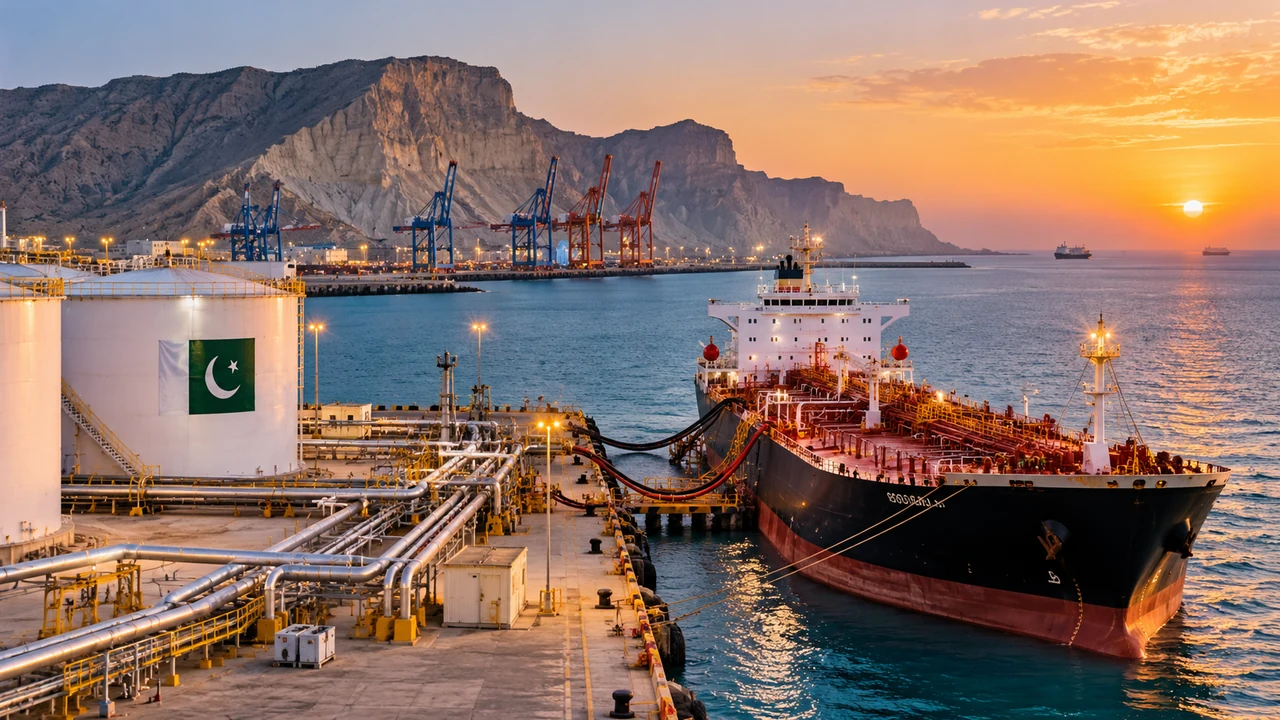
International energy trader Vitol’s marine-fuel operations at Gwadar are drawing fresh attention as shipping companies look beyond traditional Gulf refuelling hubs amid disruption linked to the Iran war. The service is not a new launch this week: Pakistan’s Ministry of Commerce says Gwadar’s first marine bunkering operation took place in July 2026. The latest development is the industry’s growing interest in diversifying where ships obtain fuel.
Reuters reported on October 16 that Vitol began bunkering at Gwadar in July, giving operators serving the Gulf another option outside the Strait of Hormuz. Marine bunkering refers to supplying fuel to vessels, rather than handling their cargo.
Why shipping companies are diversifying
Conflict-related threats to ships and infrastructure have complicated refuelling at established hubs, including Fujairah in the United Arab Emirates. Industry executives told Reuters that shipowners are increasingly favouring smaller spot purchases and shorter contracts to limit exposure to volatile fuel prices. Alternative ports across South Asia, Africa and the Indian Ocean are attracting attention.
At Gwadar, the inaugural operation involved the LNG carrier LNG Enugu, which received 2,500 metric tonnes of very-low-sulphur fuel oil. The fuel was produced by Cnergyico and delivered by Vitol in collaboration with the National Logistics Corporation, according to a July 14 government announcement.
What the development does — and does not — mean
The operation broadens Pakistan’s marine-fuel services alongside Karachi Port and Port Qasim. It could help Gwadar compete for refuelling business, but there is not yet sufficient published evidence to conclude that the port has captured a large share of regional bunkering demand or that major cargo routes have permanently shifted.
Gwadar’s commercial prospects will depend on reliable fuel availability, pricing, vessel access and sustained customer demand. For now, the clearest verified development is the emergence of an operational refuelling option as shipping firms reassess Gulf-related risks.
Sources
- Reuters, October 16: https://www.reuters.com/business/energy/global-fuel-oil-market-stays-tight-conflicts-hit-mideast-russia-supplies-vitol-2026-10-16/
- Reuters, October 16: https://www.reuters.com/world/asia-pacific/mideast-war-alters-global-bunker-buying-patterns-industry-execs-say-2026-10-16/
- Pakistan Ministry of Commerce, July 14: https://www.pcs.gov.pk/news-detail/gwadar-port-launches-first-marine-bunkering-service