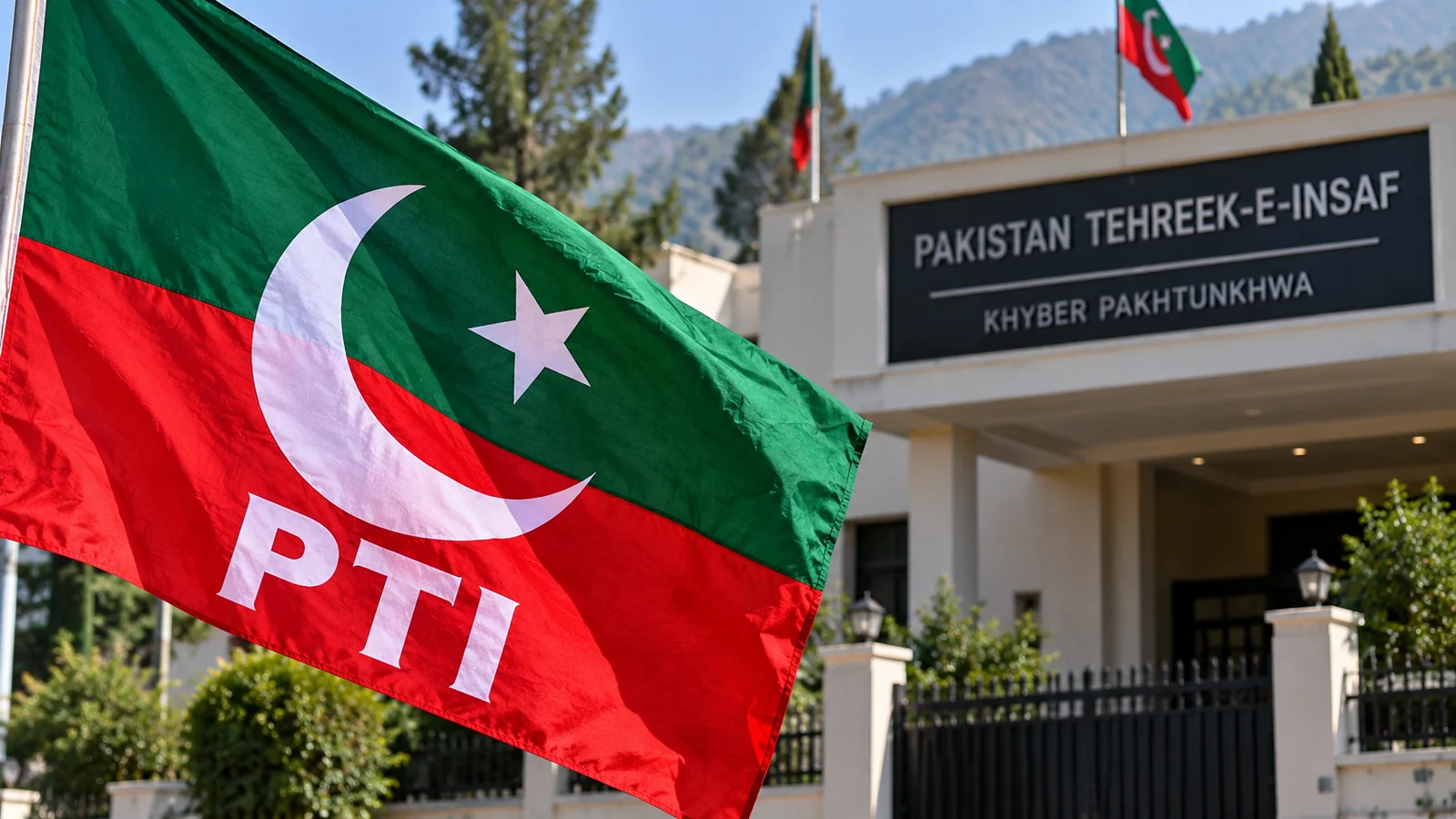
ISLAMABAD, October 27, 2026: Pakistan Tehreek-e-Insaf has questioned the Election Commission of Pakistan’s decision to revise descriptions of several constituencies in Khyber Pakhtunkhwa without inviting public objections.
Senator Ali Zafar raised the issue during Monday’s Senate proceedings, challenging the procedure followed by the electoral authority.
The dispute concerns changes made after administrative adjustments to revenue units between April 2024 and January 2026.
The ECP’s notification cites Rule 15 of the Election Rules, 2017, which permits a constituency to be re-described following changes to administrative units, provided its geographical limits remain unchanged.
PTI’s objection centres on whether the revisions should instead have followed procedures associated with changes to the final list of constituencies.
Section 22 of the Elections Act, 2017, gives the commission powers to amend or modify constituency arrangements under specified conditions.
The distinction matters because a change in a constituency’s official description may be administrative, while an alteration affecting its boundaries can raise broader questions about representation and public participation.
The ECP’s stated legal basis is that the constituency limits remain unchanged. PTI disputes the adequacy of the process used.
Parliamentary Affairs Minister Tariq Fazal Chaudhry told the Senate he would seek information from the commission.
The controversy follows an earlier ECP notification partially modifying constituency descriptions originally published in November 2023.
For voters and political parties, clarity over constituency boundaries is important for understanding which electoral areas they belong to and how those areas are administered.
However, the Senate exchange did not establish that any constituency boundary had actually been changed or that the commission had violated the law.
The next step is a detailed explanation from the ECP identifying the affected constituencies, the administrative changes involved and why it considered a public hearing unnecessary.