DOHA: Diplomatic efforts to ease the conflict between the United States and Iran continued on Monday, 2 November, after Iranian negotiators concluded three days of consultations with Qatari mediators without announcing a final agreement.
A draft proposal is now being circulated, and another meeting remains possible, according to an official familiar with the discussions cited by Reuters.
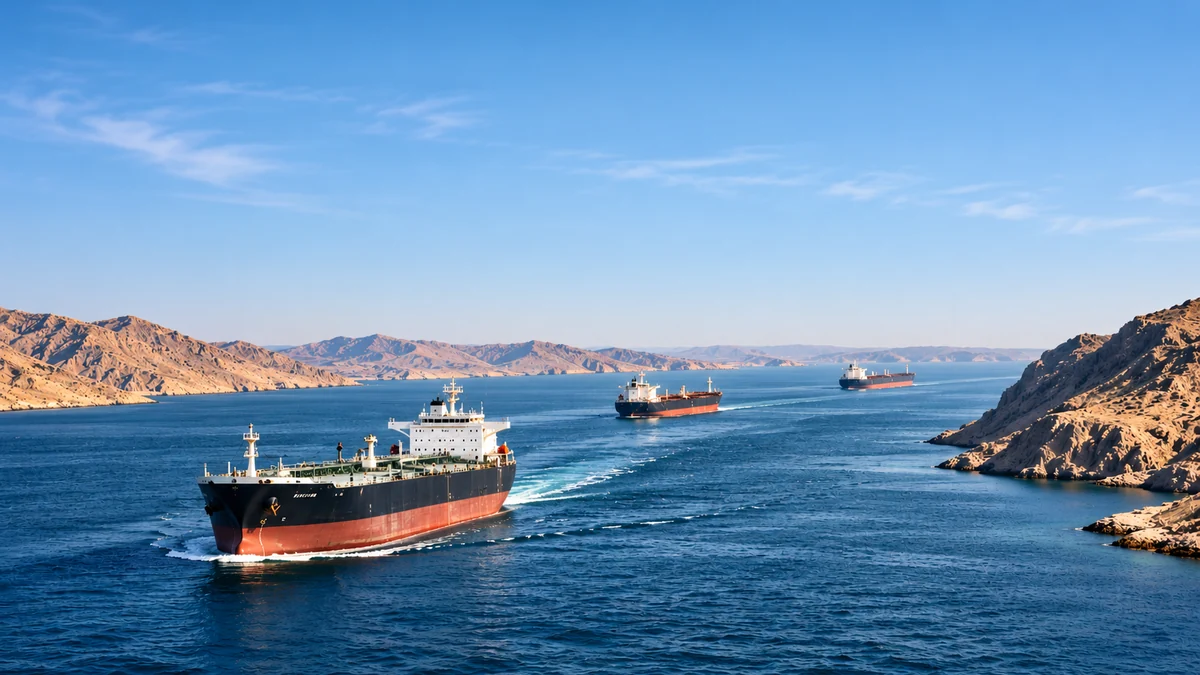
The consultations are aimed at finding a way to end the US–Israeli war on Iran and address restrictions affecting shipping through the Strait of Hormuz.
Iranian officials have indicated that the waterway could reopen more quickly than previously proposed if an agreement is reached and Tehran’s conditions are met.
Iran outlines conditions for reopening strait
Iranian Foreign Minister Abbas Araqchi said discussions were continuing on a proposal that could allow the Strait of Hormuz to reopen within two days of a potential agreement.
Iran had previously proposed a seven-day implementation period.
Foreign Ministry spokesperson Esmaeil Baghaei said on Monday that Tehran would not agree to restore security and normal passage through the strait unless its demands were addressed, including an end to the US naval blockade.
The proposal remains under discussion, and there has been no announcement that Washington has accepted its terms.
The Strait of Hormuz is a major route for international oil shipments, making any change in its operating conditions important for global energy markets.
Risk of renewed military action remains
The diplomatic discussions are taking place amid concerns that fighting could intensify after the US midterm elections on 3 November.
President Donald Trump has described negotiations as productive and indicated that the United States would not launch new attacks before the elections, while leaving open the possibility of further military action afterwards.
Iran has warned that renewed strikes could trigger retaliation.
Despite the uncertainty, oil prices fell sharply on Monday as traders responded to the possibility of diplomatic progress and reduced disruption to Middle Eastern energy supplies.
For Pakistan and other energy-importing countries, developments around the Strait of Hormuz are particularly significant because instability in regional oil shipments can affect import costs and fuel prices.
The latest consultations indicate that diplomatic channels remain active, but the proposed arrangements have not yet produced a confirmed agreement or an end to the conflict.