ISLAMABAD: Pakistan is exploring cooperation with global agricultural technology company Syngenta to introduce advanced seed varieties, improve crop yields and strengthen domestic agricultural research through biotechnology.
Federal Minister for National Food Security and Research Rana Tanveer Hussain met a senior Syngenta delegation on Monday to discuss opportunities for investment, technology transfer and regulatory reforms in the agricultural sector.
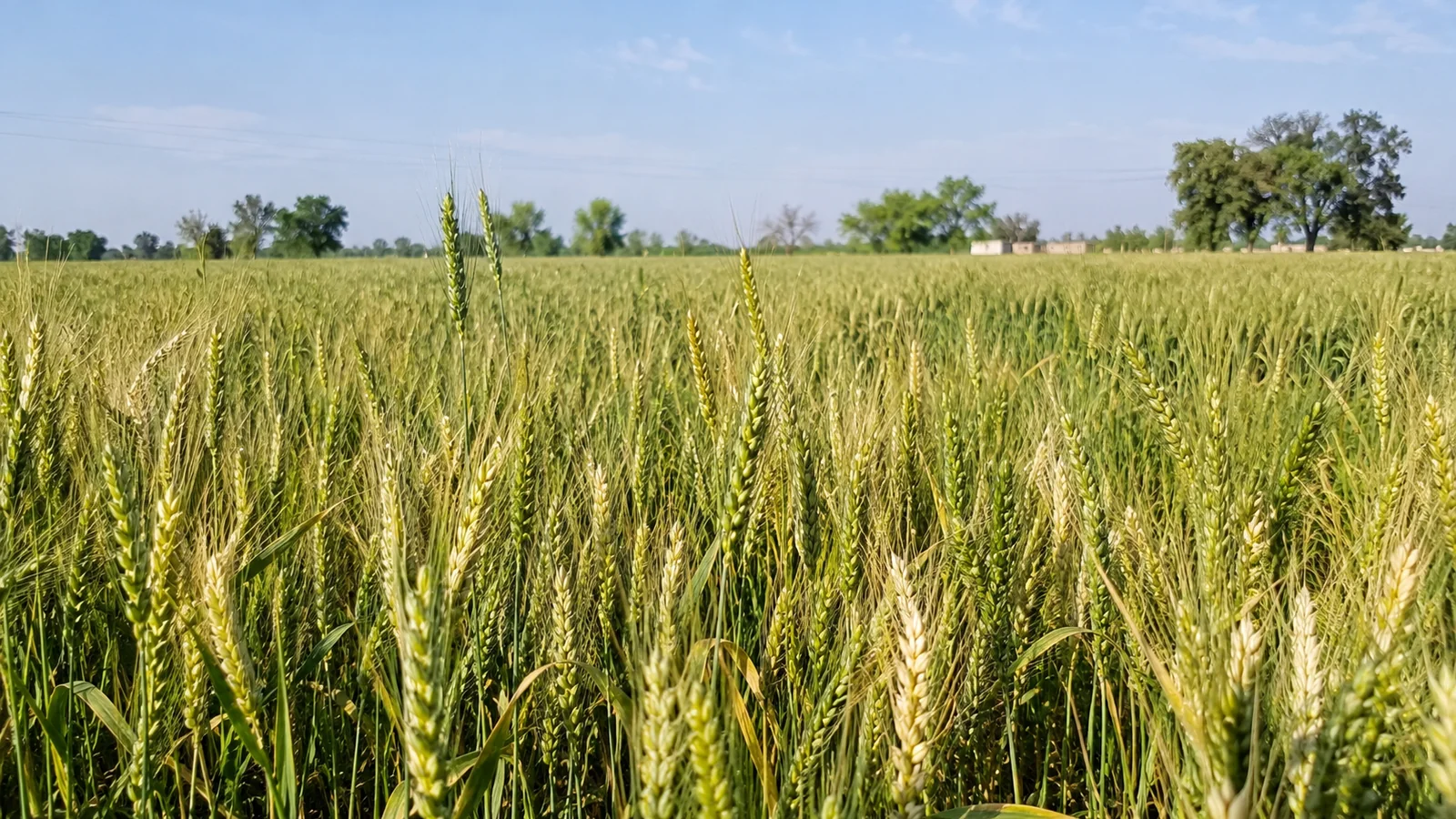
The discussions placed particular emphasis on hybrid wheat research, alongside the potential introduction of improved cotton and maize varieties. Wider discussions between the company and Pakistani officials also covered rice and sunflower seed technologies.
The proposed cooperation follows the federal government’s recent approval of the National Agricultural Biotechnology Policy, which provides a framework for expanding the use of biotechnology in agriculture.
Both sides discussed the commercialisation of genetically modified crops in accordance with Pakistan’s biosafety regulations, alongside measures to accelerate the evaluation and registration of new crop varieties.
Syngenta representatives also raised issues concerning seed import procedures, plant quarantine requirements, taxation and customs classification of biological agricultural products, and pesticide shelf-life regulations.
Hussain emphasised the need for regulatory decisions based on scientific evidence while protecting farmers’ interests and maintaining environmental and biosafety standards.
The company’s delegation also held discussions with Punjab Agriculture Minister Syed Ashiq Hussain, building on earlier engagements between the provincial government and Syngenta Group’s Chinese leadership in Beijing.
During the four-day visit, company representatives met senior federal officials and visited agricultural fields across Punjab to assess the challenges facing farmers.
Headquartered in Basel, Switzerland, Syngenta Group employs more than 50,000 people across over 90 countries and specialises in seed development, crop protection and agricultural technology.
The federal government is seeking closer collaboration between international agricultural companies and domestic research institutions to develop higher-yielding and climate-resilient crop varieties.