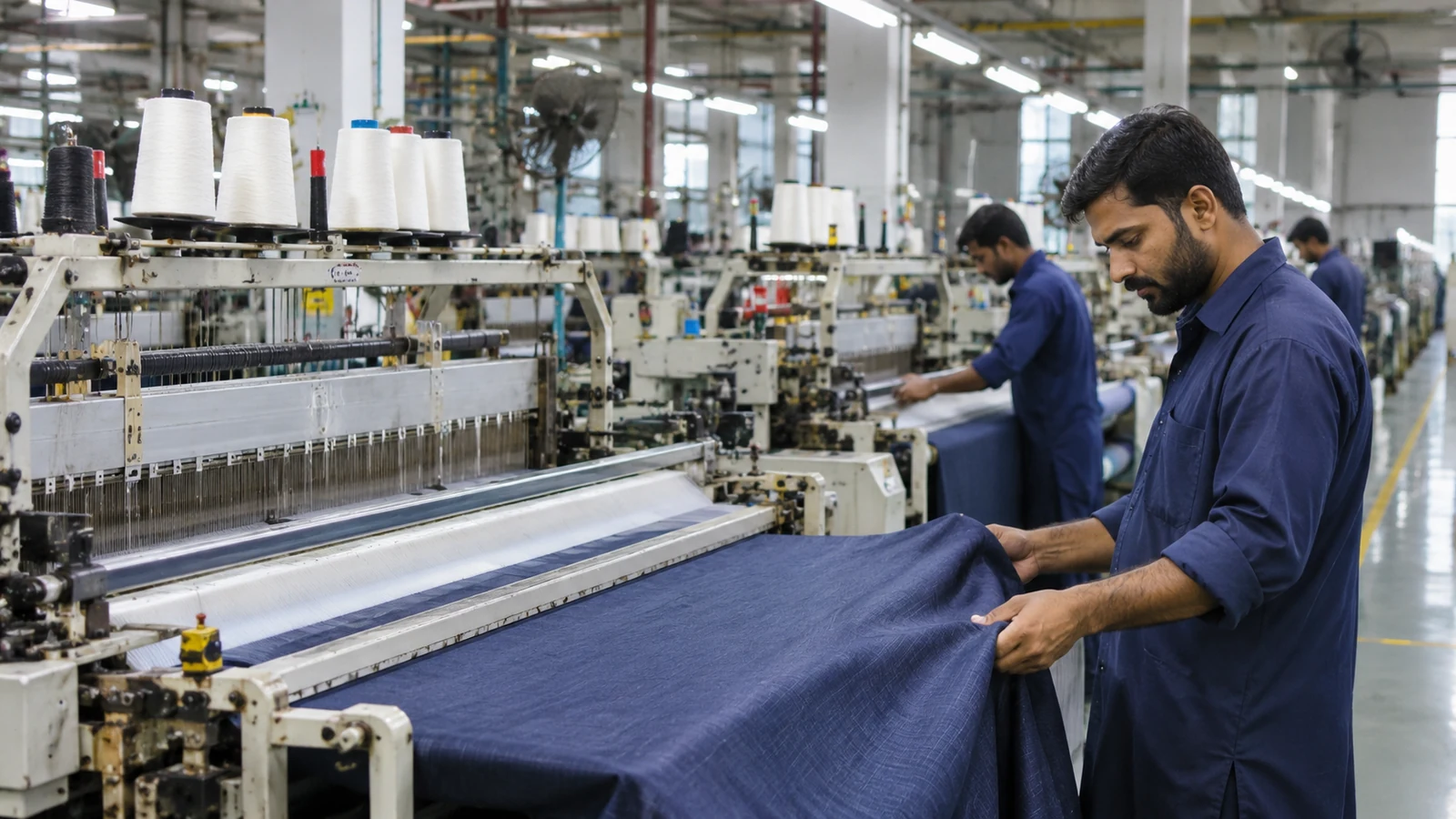
MULTAN, 20 November 2026 — Pakistan’s textile exporters have been urged to strengthen environmental compliance and adopt cleaner production methods to protect their competitiveness in international markets.
Industry representatives and environmental experts raised the concerns at the BZU Climate Action Summit 2026, held at Bahauddin Zakariya University in Multan.
Speakers highlighted the growing importance of emissions reporting, supply-chain transparency and internationally recognised sustainability standards for an industry that generated approximately $17.9 billion in exports during FY2025–26.
European Market Demands Greater Compliance
Participants said Pakistan exported approximately $7.1 billion worth of textiles to the European Union, making the bloc a major market for the country’s textile industry.
They warned that exporters could face difficulties securing international orders without reliable environmental data and stronger sustainability practices.
Amjad Nazeer, chief executive of Alternate Development Services, said carbon emissions were increasingly influencing global trade and that businesses needed to improve greenhouse gas accounting and environmental reporting.
The discussions also highlighted the importance of meeting relevant standards to maintain Pakistan’s preferential trade access to the European Union under the GSP+ arrangement.
Industry Calls for Financial and Technical Support
Representatives identified the cost of cleaner technology, wastewater treatment and emissions monitoring as major challenges for textile manufacturers.
They called for greater government support, improved renewable energy policies and practical assistance for smaller businesses seeking to meet international requirements.
Participants also emphasised the role of universities in providing technical expertise, research and training.
The summit included sessions on carbon accounting, industrial energy audits and methods for reducing emissions.
Industry representatives said stronger environmental compliance would be important for protecting export opportunities and improving the long-term competitiveness of Pakistan’s textile sector.