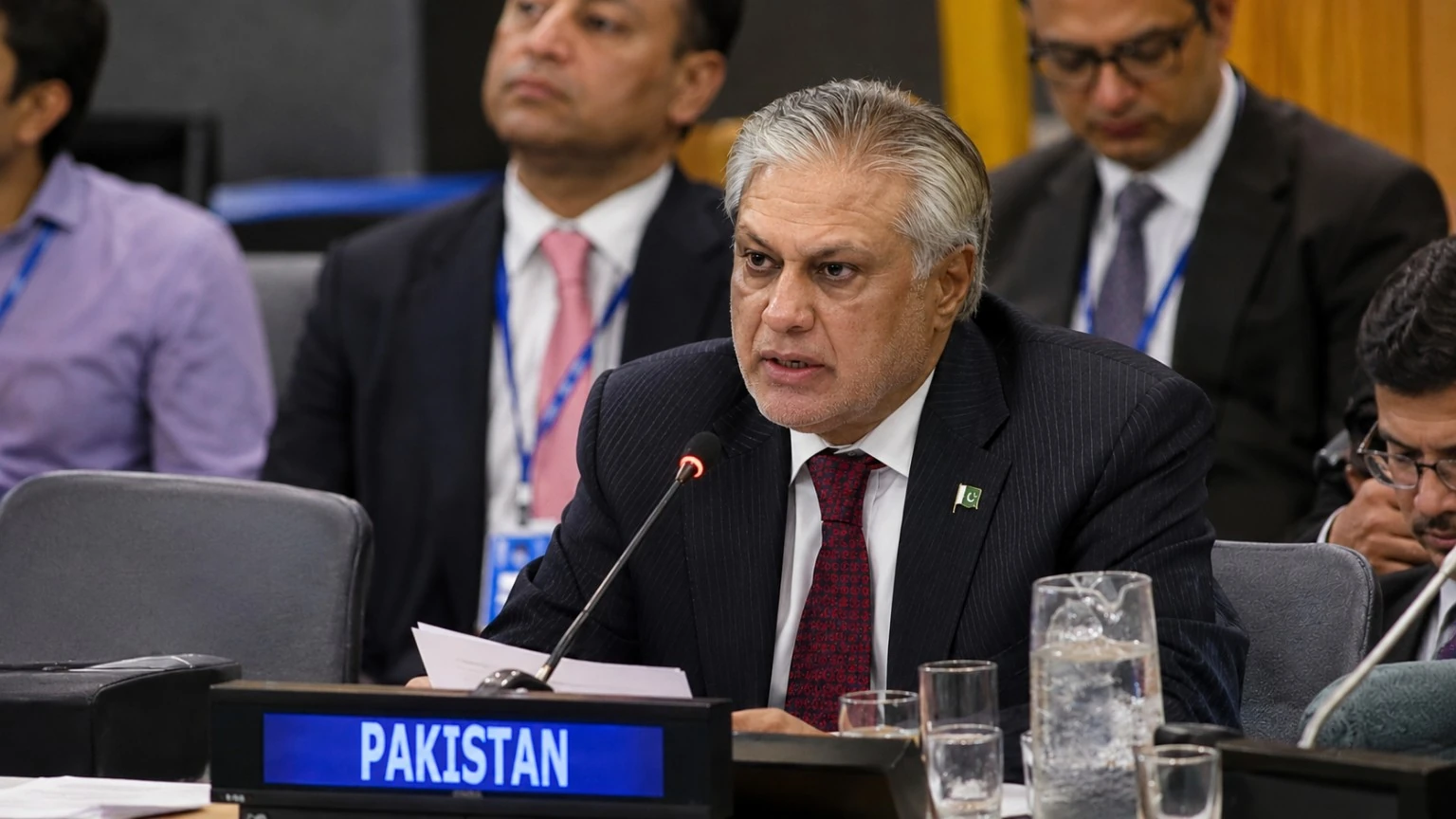
ISLAMABAD: Deputy Prime Minister and Foreign Minister Ishaq Dar has called for stronger multilateral cooperation and a new regional security framework, arguing that diplomatic engagement is essential to resolving international conflicts and protecting economic stability.
In an interview with Euronews published on November 19, Dar said Pakistan maintained an independent foreign policy and opposed reliance on competing political blocs or unilateral approaches to international disputes.
He said countries should strengthen dialogue and cooperation as conflicts in the Middle East continue to disrupt trade, energy supplies and regional stability.
Discussing Pakistan’s mediation efforts between the United States and Iran, Dar said Islamabad remained engaged with both sides following a memorandum of understanding signed on June 18.
According to the foreign minister, Pakistan continues to encourage Washington and Tehran to honour the agreement and pursue a negotiated settlement despite subsequent setbacks.
Dar said the diplomatic process had involved extensive negotiations and maintained that the unrestricted movement of commercial vessels through the Strait of Hormuz remained an important objective.
He also outlined a proposal for a broader Middle Eastern security arrangement, describing the defence agreement signed by Pakistan, Türkiye and Saudi Arabia in August as a possible foundation for regional cooperation.
The foreign minister said the United Kingdom, France and Germany were engaging with discussions surrounding the proposed framework, while Italy had also expressed interest.
He suggested that a regional security mechanism could benefit countries beyond the Middle East by reducing geopolitical tensions and improving economic predictability.
Dar also defended Pakistan’s diplomatic relationships with both China and the United States, saying the country sought cooperation based on its national interests rather than alignment with competing power blocs.
On relations with India, he reiterated Pakistan’s position that the Indus Waters Treaty must be respected and restated Islamabad’s opposition to India’s August 2019 constitutional changes in Jammu and Kashmir.
The foreign minister maintained that sustained negotiations, respect for international commitments and regional cooperation offered the best prospects for lasting peace.