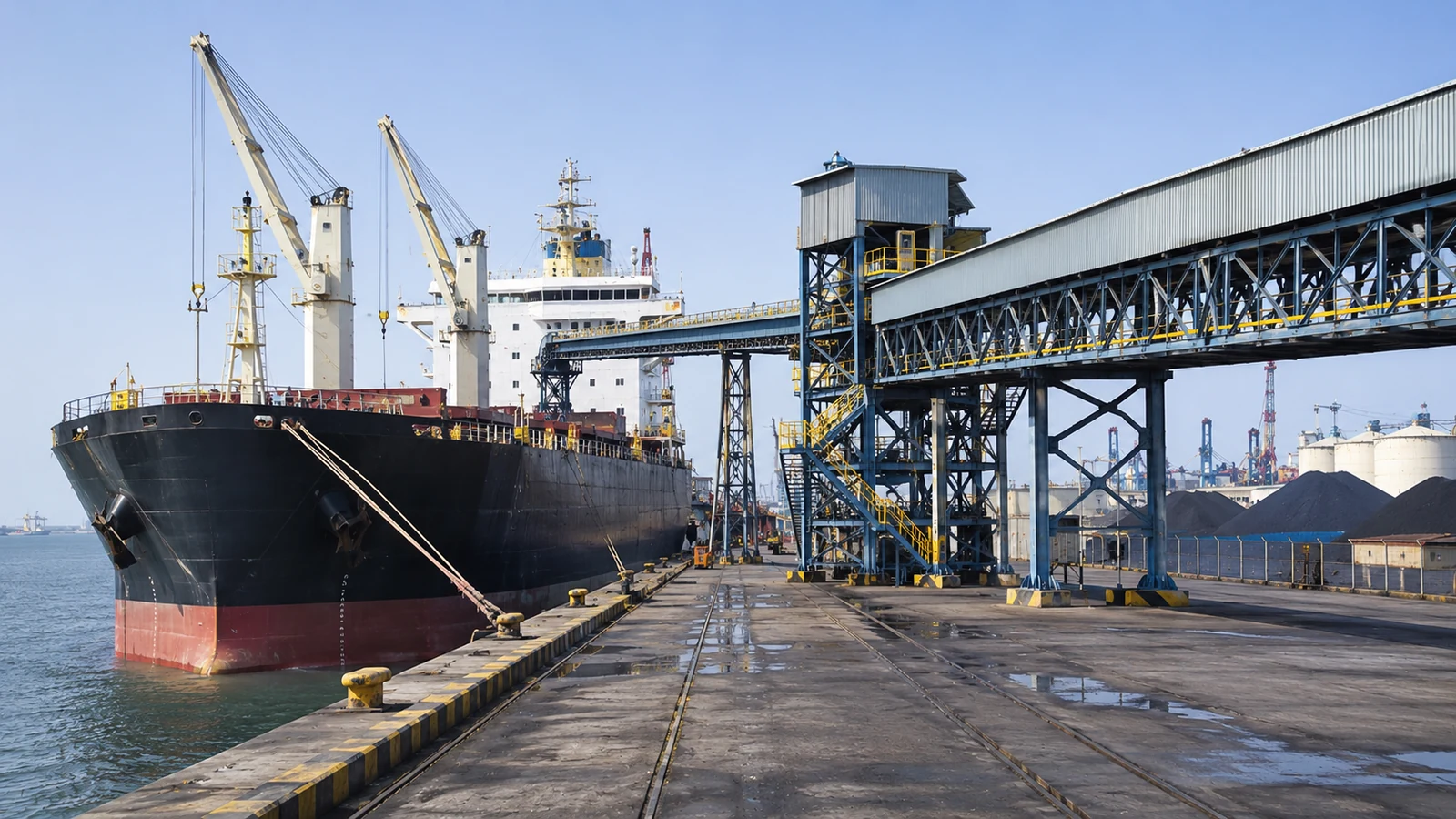
ISLAMABAD: A breakdown of the coal-handling conveyor at Pakistan International Bulk Terminal (PIBT) in Port Qasim has reduced coal unloading by 90%, disrupting shipments destined for power plants and industrial consumers.
The conveyor has been out of operation since November 18, with vessels now being unloaded through slower conventional methods.
According to Jamshoro Power Company (JPC), the daily unloading rate has fallen from approximately 30,000 tonnes to 3,000 tonnes, raising concerns over delayed coal deliveries and mounting shipping charges.
PIBT attributed the damage to unusually dusty Tanzanian coal and foreign materials, including sharp metal fragments, found during the unloading of the vessel Pegasus 8.
The terminal operator estimated that repairs could take eight to 10 days.
State-owned JPC has warned that delays involving five incoming vessels could result in demurrage charges of $2 million to $3 million. Demurrage is charged when ships remain at port beyond their permitted unloading period.
Although importers or other parties responsible under shipping contracts may initially face these charges, JPC argues that PIBT should bear the losses caused by the terminal’s equipment failure.
JPC also warned that coal shortages could put approximately Rs2.2 billion in monthly capacity payments at risk. These payments compensate power producers for keeping generating capacity available and may be reduced if a plant cannot operate because of insufficient fuel.
The company has asked PIBT to declare force majeure, a contractual provision that may excuse certain obligations when extraordinary circumstances prevent normal operations.
Such a declaration could help affected power producers and coal suppliers pursue insurance claims and limit their financial exposure, depending on their contractual and insurance arrangements.
PIBT has rejected the request, maintaining that cargo handling continues through alternative methods despite the reduced speed.
The dispute leaves unresolved who will ultimately bear the costs of delayed vessels and disrupted coal supplies.
The breakdown also threatens fuel supplies for cement and textile manufacturers that depend on imported coal.
The incident has highlighted the terminal’s reliance on a single coal-handling conveyor. A second conveyor proposed in 2021 to increase annual handling capacity from 12 million to 17 million tonnes has yet to be constructed.