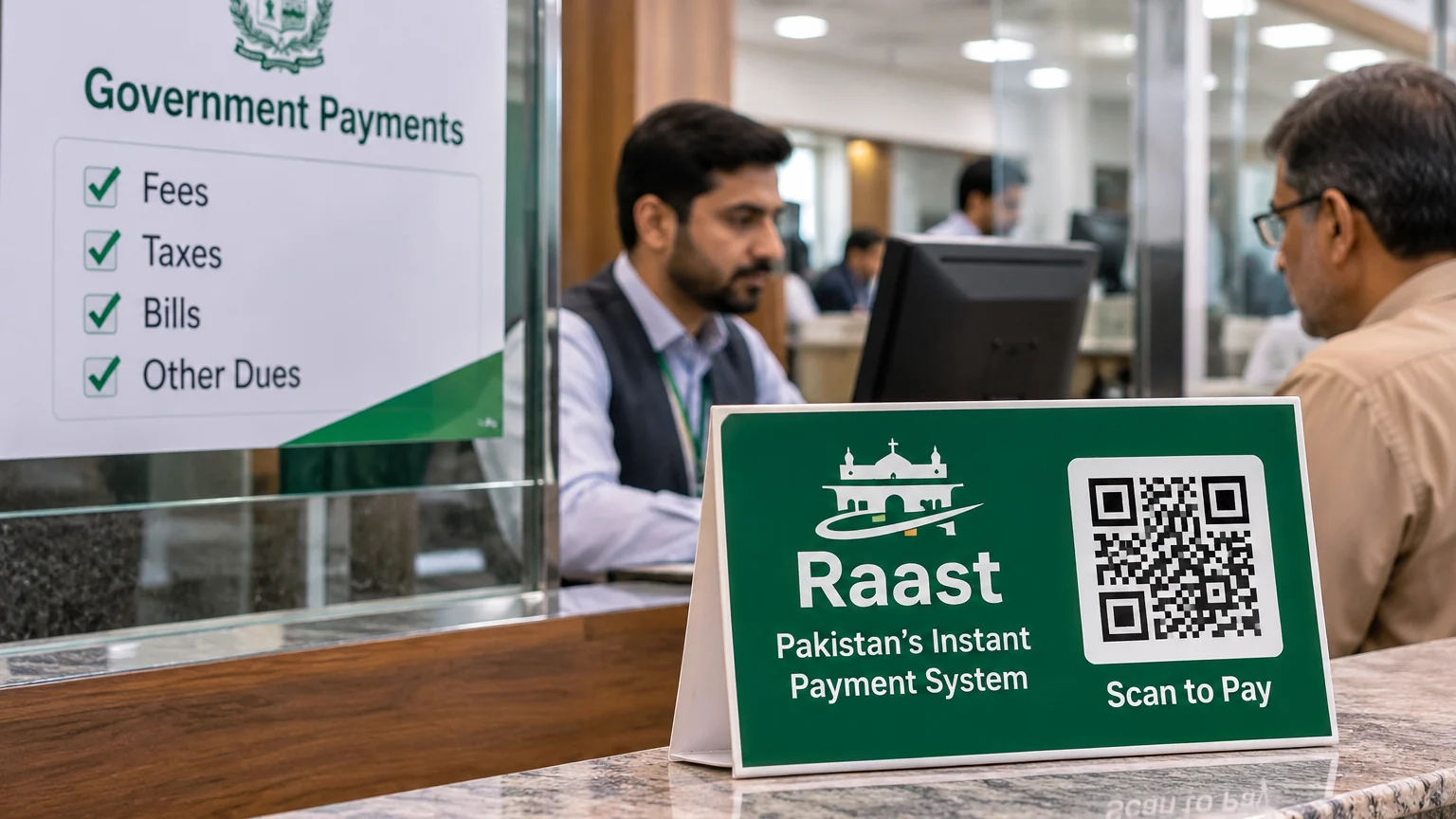
ISLAMABAD, November 7, 2026 — Prime Minister Shehbaz Sharif has directed authorities to prepare a nationwide roadmap for digital payments as the government moves to replace cheque-based transactions under Asaan Assignment Accounts with the Raast payment system from November 16.
The decision was discussed at a meeting chaired by the prime minister on November 6 to review progress towards a cashless economy.
Officials informed the meeting that cheque payments under Asaan Assignment Accounts would be discontinued from November 15, with payments through these accounts shifting to Raast the following day.
Government Payments to Move Online
The government said drawing and disbursing officers had completed training for the transition to digital payments.
The meeting was informed that federal and provincial institutions were making progress in digitising their payment systems, with most expected to complete the process by December 2026.
The prime minister directed ministries and government departments to implement the cashless economy programme and prepare a roadmap containing clear targets and deadlines.
Officials also reported that payments under the Benazir Income Support Programme were being made through digital wallets.
Raast QR Payments to Expand
Sharif instructed authorities to continue promoting Raast QR code payments between consumers and businesses.
Raast is Pakistan’s instant payment system, which enables electronic transfers and supports QR-based transactions.
The prime minister also called for a public awareness campaign encouraging electricity and gas consumers to pay their bills using QR codes printed on utility bills.
He said wider use of digital payments was a government priority and directed officials to address problems experienced by users.
Internet Access Remains a Priority
The prime minister emphasised that reliable internet connectivity and access to technology were essential to expanding digital payments across Pakistan.
Officials said work was under way to improve internet infrastructure and develop payment technology for areas without internet connectivity.
The government intends to expand digital transactions across public institutions and everyday commercial activity, with the November 16 change marking a specific step in the transition of government payments to Raast.