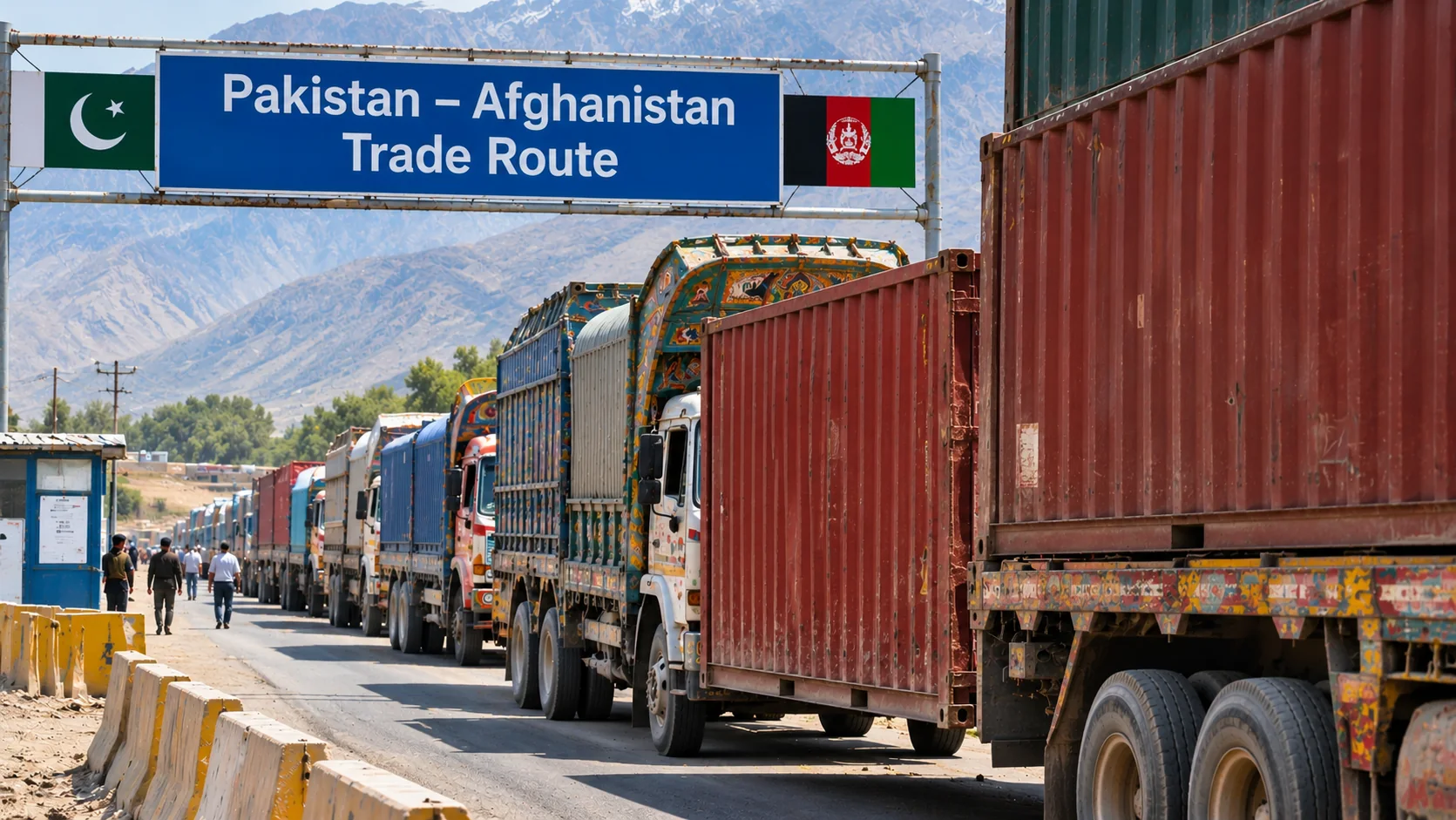
ISLAMABAD: Pakistan’s suspension of bilateral and transit trade with Afghanistan has contributed to an estimated $1 billion decline in exports, according to figures presented to a parliamentary committee.
Commerce Secretary Jawad Paul informed the National Assembly Standing Committee on Commerce that restrictions on cross-border trade had affected Pakistani exporters and disrupted commercial routes connecting the country with Central Asian markets.
Agricultural shipments, particularly kinnow and potatoes, were among the products affected by the restrictions.
During the committee meeting, chaired by Muhammad Jawed Hanif Khan, lawmakers questioned the economic consequences of the trade suspension and the loss of export opportunities.
Paul defended the government’s position, saying national security considerations had taken priority over commercial interests.
He also reported an estimated $387 million in trade losses during July–October from wider regional disruptions, including conflict-related shipping difficulties and increased transportation costs.
Higher port charges and interruptions to regional trade routes have added pressure on exporters, particularly businesses handling perishable goods.
Despite these challenges, the Commerce Ministry expects Pakistan’s merchandise exports to reach $35 billion in fiscal year 2026–27, compared with approximately $32 billion in the previous fiscal year.
The committee also called for improved coordination between government departments after discrepancies emerged in trade and industrial statistics.
The reported losses highlight the economic consequences of prolonged border restrictions, particularly for exporters dependent on Afghanistan as both a market and a transit route.